A bright, healthy smile doesn’t happen by chance. It is the result of consistent home care and professional dental visits. General dentistry covers the preventive and diagnostic services that form the backbone of oral health. By seeing a dentist regularly and following good habits at home, you can avoid many common dental problems and protect your overall well‑being. In this blog, we explain what general dentistry encompasses, why routine checkups matter and how Park Ave Dental Group supports your long‑term oral health.
What Is General Dentistry?
General dentistry addresses the everyday needs of your teeth and gums. Services include:
- Comprehensive exams: Your dentist examines your teeth, gums and oral tissues to identify decay, gum disease or abnormalities.
- Professional cleanings: Dental hygienists remove plaque and tartar from areas you can’t reach at home and polish your teeth to remove surface stains.
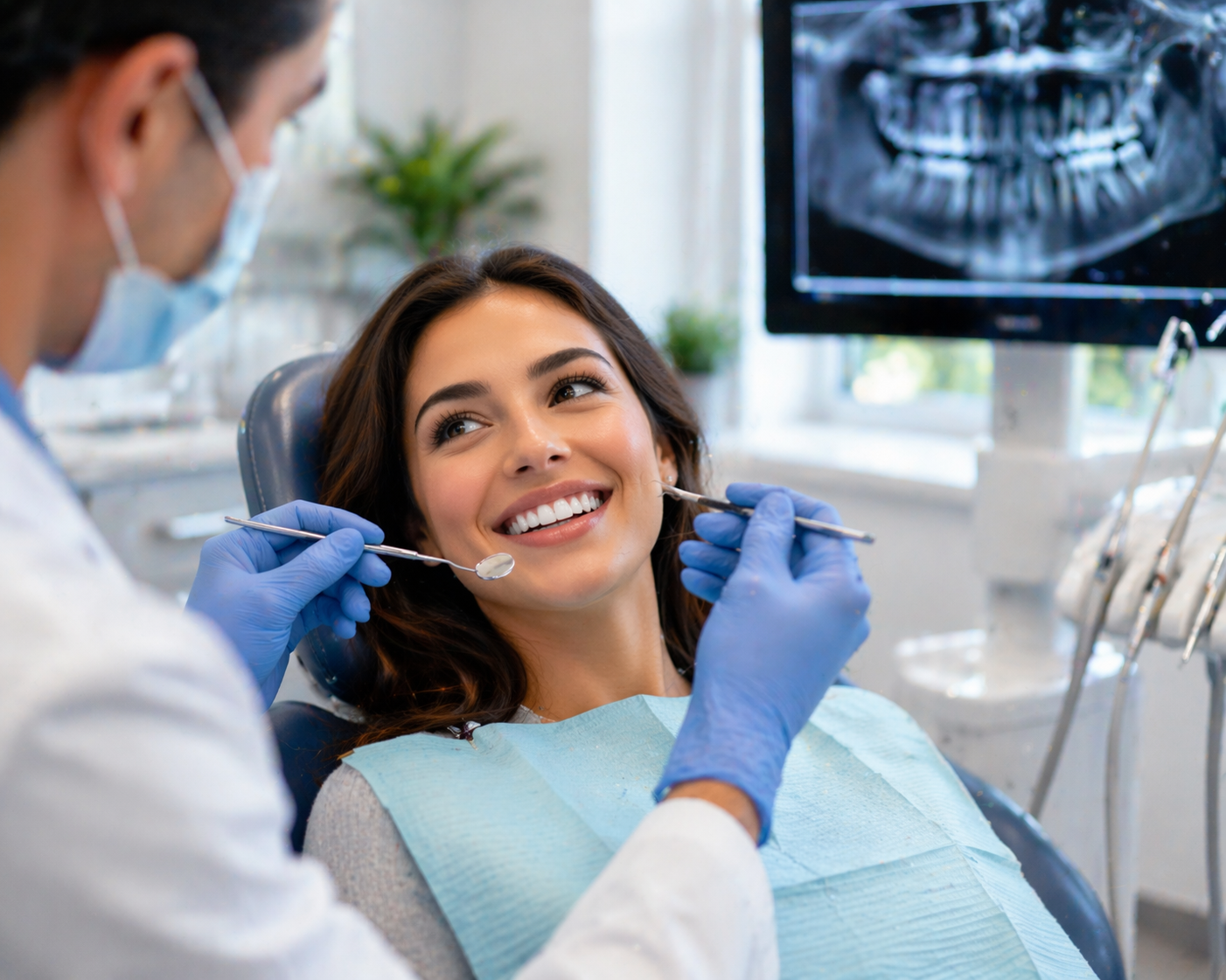
- Digital X‑rays and imaging: High‑resolution images help detect cavities, bone loss, impacted teeth or other issues not visible to the naked eye.
- Fluoride treatments: Fluoride strengthens tooth enamel and helps prevent tooth decay.
- Dental sealants: Protective coatings on the chewing surfaces of molars prevent bacteria from settling in deep grooves.
- Oral cancer screenings: Dentists check the soft tissues of your mouth for any abnormal lesions or growths.
- Restorative care: When issues do arise, your general dentist can provide fillings, crowns or periodontal treatments or refer you to a specialist.
At Park Ave Dental Group, general dentistry isn’t just about treating disease; it’s about establishing long‑term partnerships with patients. Our dental team helps you understand your oral health and advises you on steps to prevent problems before they start. Our practice offers advanced diagnostic tools and preventive treatments as part of our preventive dentistry services.
Why Regular Dental Visits Matter
Regular checkups are vital because oral health impacts overall health. Without proper care, bacteria in your mouth can contribute to infections such as tooth decay and gum disease. Research shows that oral germs and inflammation are linked to systemic conditions including endocarditis, cardiovascular disease, pregnancy complications and pneumonia. Certain health conditions, such as diabetes, make gum disease more likely and harder to treat, but regular dental care can improve blood sugar control. Maintaining good oral hygiene and seeing your dentist regularly helps keep oral bacteria under control and reduces systemic risks.
Routine visits also allow for early detection of dental problems. During a checkup, your dentist can spot cavities, gum disease or oral cancer before you notice symptoms. Early intervention often means less invasive, less expensive treatment. According to WebMD, people who visit the dentist regularly have fewer decayed or missing teeth than those who wait until problems arise. Regular checkups keep minor issues from turning into major dental work.
What Happens During a Dental Visit?
A typical visit includes:
- Medical history review: Your dentist updates your health history, discusses any medications and notes changes that could affect oral care.
- Visual exam: The dentist examines teeth, gums, tongue and throat, checking for plaque, tartar, cavities and signs of gum disease.
- Digital imaging: X‑rays or intraoral photos may be taken to detect hidden decay, bone loss or impacted teeth.
- Professional cleaning: A hygienist removes plaque and tartar using special instruments, polishes teeth and applies fluoride if needed.
- Discussion: Your dentist reviews findings, discusses any concerns and provides guidance on home care or further treatment.
Your visit may also include an oral cancer screening and recommendations for preventive treatments like sealants or fluoride. At Park Ave Dental Group, we use advanced technology such as the iTero® scanner for digital impressions and Overjet AI for enhanced diagnostic accuracy. We make your visits efficient and comfortable so you’re more likely to keep up with them.
At‑Home Care: Essential Habits
General dentistry works best when paired with diligent home care. Follow these tips to keep your mouth healthy between visits:
- Brush twice a day with a soft‑bristled toothbrush and fluoride toothpaste. Brush for at least two minutes and clean your tongue to remove bacteria.
- Floss daily or use an interdental cleaner such as a water flosser to remove plaque between teeth.
- Eat a balanced diet rich in fruits, vegetables, lean proteins and whole grains. Limit sugary snacks and drinks.
- Replace your toothbrush every 3–4 months or sooner if the bristles are frayed.
- Avoid tobacco products, which increase the risk of gum disease, tooth loss and oral cancer.
- Wear a mouthguard if you play sports or grind your teeth at night.
These habits work with professional care to keep your teeth and gums healthy. If you experience tooth sensitivity, bleeding gums or other problems between visits, call your dentist right away. Addressing small issues promptly prevents bigger problems later.
Comprehensive Care at Park Ave Dental Group
One of the advantages of choosing Park Ave Dental Group is our comprehensive approach to care. Our team provides general, restorative and cosmetic services in one location, so you won’t need to travel between offices for different treatments. We treat patients of all ages – from children to seniors – and our compassionate staff makes visits stress‑free. If you feel anxious about dental care, we offer sedation options to help you relax. Our practice also offers emergency appointments because dental problems don’t always happen at convenient times. Looking for a trusted dental partner? Contact us today to schedule your next visit.
Frequently Asked Questions About General Dentistry
How often should I visit the dentist?
Most people benefit from seeing a dentist every six months for a checkup and cleaning. However, the ideal frequency depends on your oral health, lifestyle and risk factors. Some patients with a history of gum disease or extensive dental work may need more frequent visits, while those with excellent oral health may come once a year. Your dentist will recommend a schedule that’s right for you.
Are dental X‑rays safe?
Yes. Modern digital X‑rays use very low levels of radiation. Dentists take X‑rays only when necessary to diagnose problems that cannot be seen in a visual exam. Protective aprons and collars further reduce exposure. If you have concerns, discuss them with your dentist.
Do professional cleanings hurt?
Most cleanings are comfortable. You may feel slight pressure or vibration as tartar is removed, but your hygienist will work gently and can adjust techniques if you experience sensitivity. Regular cleanings actually help prevent the discomfort of more invasive procedures down the road.
Is fluoride treatment necessary for adults?
Fluoride isn’t just for children. It strengthens enamel and helps prevent decay in adults, especially those prone to cavities or with exposed root surfaces. Your dentist may recommend in‑office fluoride or high‑fluoride toothpaste.
What if I have dental anxiety?
Let us know if you feel nervous about dental visits. Our team is experienced in helping anxious patients feel at ease. We offer sedation options, calming techniques and a gentle approach to make your visits as comfortable as possible.