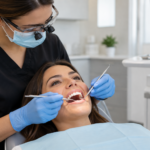
What Is Bruxism?
Bruxism is the involuntary clenching, grinding or gnashing of the teeth. Most people occasionally grind their teeth in moments of concentration or stress, but bruxism refers to a repetitive habit that happens either when you are awake or during sleep. Over time, this forceful jaw muscle activity can wear down tooth enamel, crack teeth, damage dental restorations, strain the temporomandibular joint (TMJ) and lead to headaches and facial pain. Because bruxism often occurs at night, many people are unaware of it until a dentist notices the signs or a partner hears them grinding.
Types of Bruxism
- Awake bruxism: Grinding or clenching that happens during the day. It is often associated with stress, frustration, anger or intense concentration. People may not realize they are clenching until they experience jaw tension or tooth pain.
- Sleep bruxism: Involuntary clenching and grinding that occurs at night. Sleep‑related bruxism is considered a sleep movement disorder. It can be mild or severe and is more difficult to detect because the person is asleep.
Causes of Bruxism
The exact cause of bruxism is not fully understood, and it is likely multifactorial. Various physical, psychological and environmental factors can contribute:
Stress and Emotions
Stress, anxiety, anger, frustration and tension are among the most common factors linked to bruxism. Clenching or grinding can be a subconscious way of releasing emotional pressure. Competitive personalities and those who tend to rush or multitask may also be more susceptible.
Sleep Disorders
Bruxism is associated with several sleep disorders, including obstructive sleep apnea (OSA), snoring and parasomnias such as talking or walking in sleep. When airway obstruction causes micro‑arousals during sleep, the jaw muscles may tighten and grind.
Medications and Substances
Certain medications, particularly some antidepressants like fluoxetine, sertraline and paroxetine, have been linked to bruxism. Caffeine, nicotine, alcohol, recreational drugs (e.g., cocaine, amphetamines) and tobacco use can also contribute to teeth grinding.
Neurological and Medical Conditions
Conditions such as Parkinson’s disease, Rett syndrome, gastroesophageal reflux disease (GERD) and temporomandibular joint disorder (TMD) may be associated with bruxism. An imbalance in neurotransmitters in the brain has been proposed as a contributing factor for some individuals.
Occlusal Issues and Dental Anatomy
An abnormal bite, missing or crooked teeth, or poorly fitting restorations can sometimes trigger bruxism. However, many experts believe that occlusal factors play a smaller role than stress and neurological influences.
Risk Factors
While anyone can develop bruxism, certain factors increase the likelihood:
- Sleep disorders: People with OSA or other sleep disturbances are more likely to grind their teeth.
- Medications: Taking certain psychiatric medications can increase risk.
- Personality type: Highly competitive, aggressive or anxious individuals may be prone to clenching.
- Neurological disorders: Conditions like Parkinson’s disease or Rett syndrome can be associated with bruxism.
- Substance use: Smoking tobacco, excessive alcohol, caffeine or using recreational drugs heightens risk.
- Age: Bruxism is common in children but often disappears as they grow. Adults can develop bruxism due to life stressors or health changes.
Symptoms of Bruxism
Many people are unaware they grind or clench until a dentist identifies the signs. Common symptoms include:
- Clenching or grinding noises: A partner may hear grinding at night.
- Worn, chipped or cracked teeth: Teeth may show flattened biting surfaces or fractures.
- Tooth sensitivity: Worn enamel exposes the dentin layer, making teeth sensitive to temperature and pressure.
- Facial and jaw pain: Stiffness, soreness or fatigue in the jaw muscles, especially upon waking.
- Tension headaches: Persistent headaches, particularly in the temples or behind the eyes.
- TMJ symptoms: Clicking, popping or locking of the jaw, and pain near the ears.
- Tongue or cheek damage: Indentations on the tongue or damage to the inside of the cheeks from biting.
Diagnosis of Bruxism
Dentists often detect bruxism during routine examinations by observing wear patterns on teeth or restorations. They may ask about symptoms, lifestyle habits, medical history and sleep quality. In some cases, sleep studies or bite recordings are recommended to assess the severity of sleep bruxism and look for related conditions like sleep apnea. Keeping a sleep diary or asking your partner to monitor nighttime noises can also provide useful information.
Complications of Untreated Bruxism
Untreated bruxism can lead to serious oral health issues:
- Enamel wear and tooth fractures: Grinding can erode enamel, exposing dentin and increasing the risk of cavities and fractures.
- Tooth sensitivity and pain: Worn enamel leads to sensitivity and discomfort during chewing.
- Jaw and TMJ problems: Ongoing clenching can strain the temporomandibular joint, leading to pain, clicking, locking or limited movement (TMD).
- Restoration failure: Crowns, fillings, veneers and implants can crack or loosen due to excessive force.
- Facial muscle tension: Chronic muscle tightness causes headaches, earaches and facial fatigue.
Treatment Options for Bruxism
Treatment depends on the severity of the condition, underlying causes and individual needs. Effective management may combine behavioral strategies, dental appliances and, in some cases, medication.
Behavioral and Lifestyle Changes
- Stress management: Relaxation techniques such as meditation, deep breathing, yoga, regular exercise and counseling can help reduce tension.
- Sleep hygiene: Establish a consistent sleep schedule, create a calming bedtime routine and avoid stimulating activities before bed. Limiting caffeine and alcohol intake—especially in the evening—can improve sleep quality and reduce grinding.
- Jaw exercises and awareness: Learning to hold your tongue, teeth and lips in a relaxed position helps alleviate daytime clenching. Try to keep your lips closed, teeth slightly apart and tongue resting against the roof of your mouth.
- Avoid chewing non‑food items: Chewing on pencils, ice or your fingernails can reinforce clenching habits.
Dental Appliances: Night Guards and Splints
A custom night guard (also called an occlusal splint) is one of the most effective treatments for sleep bruxism. Made from durable acrylic or soft materials, the guard fits over your upper or lower teeth. It absorbs the forces of grinding and prevents teeth from directly contacting each other. Benefits include:
- Protection: Guards protect teeth from further wear, fractures and sensitivity.
- Muscle relaxation: Wearing a guard can reduce muscle activity and alleviate jaw tension.
- Jaw alignment: Some splints help reposition the jaw and reduce stress on the TMJ.
Your dentist will take impressions of your teeth to create a custom guard that fits comfortably. Over‑the‑counter “boil and bite” guards exist, but they may not fit correctly and could exacerbate the problem. Regular cleaning of your night guard is essential to prevent bacterial buildup.
Medication and Medical Therapies
Medication is not a first‑line treatment but may be useful in certain cases:
- Muscle relaxants: Short‑term use at bedtime can help reduce muscle activity.
- Botulinum toxin injections (Botox): For severe bruxism that does not respond to other therapies, Botox can weaken the jaw muscles and reduce clenching force. Results are temporary and require repeat injections.
- Medication review: If an antidepressant or other drug contributes to bruxism, your doctor may adjust the dosage or switch to another medication.
Treatment of Underlying Conditions
If bruxism is linked to sleep apnea, GERD or another medical issue, treating the underlying condition is crucial. Continuous positive airway pressure (CPAP) therapy for sleep apnea or medication for acid reflux may reduce nighttime grinding. For TMD, a combination of physical therapy, bite adjustments and stress reduction can help.
Preventing Bruxism
While you cannot always prevent bruxism, you can reduce risk and severity:
- Manage stress effectively: Incorporate relaxation practices into your daily routine.
- Limit stimulants: Reduce caffeine and alcohol, especially in the evening.
- Maintain a balanced diet: Proper nutrition supports overall health and may decrease muscle tension.
- Schedule regular dental visits: Early detection allows prompt intervention before serious damage occurs.
- Adopt a mindful posture: Throughout the day, check that your jaw is relaxed and lips are together with teeth slightly apart.
Living With Bruxism
Living with bruxism requires awareness and proactive management. Follow your dentist’s guidance, wear your night guard consistently and attend follow‑up appointments to monitor changes. If your symptoms worsen or you experience persistent jaw pain or headaches, seek evaluation from a dental or medical professional. Addressing bruxism early helps preserve your teeth, relieve discomfort and protect your long‑term oral health.
Frequently Asked Questions (FAQ)
Q: How do I know if I grind my teeth at night?
You may not know unless someone hears you, but signs include waking with sore jaws, headaches or tooth sensitivity. Your dentist can spot wear patterns on your teeth and may recommend a sleep study if sleep bruxism is suspected.
Q: Can children have bruxism?
Yes. Many children grind their teeth, especially when their baby teeth are emerging or during periods of stress. Most outgrow the habit, but severe cases should be monitored by a dentist.
Q: Are over‑the‑counter night guards effective?
Boil‑and‑bite guards provide some protection but are often bulky and may not align correctly with your bite. A custom night guard crafted by your dentist offers better protection and comfort.
Q: Will a night guard stop me from grinding?
A night guard does not stop the grinding reflex, but it cushions your teeth and muscles from damage. Combining a guard with stress reduction and, if necessary, medical treatments offers the best results.
Q: Can bruxism be cured?
There is no single cure for bruxism, but most cases can be managed successfully. Many people see significant improvement with lifestyle changes, dental appliances and treatment of underlying conditions.