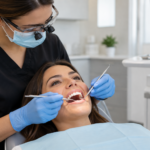
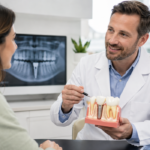
A bright, confident smile is one of the first features people notice. It makes a powerful impression—on job interviews, in photographs, on first dates, and in everyday interactions. So it’s no surprise that cosmetic dentistry has become one of the most requested dental services today. From whitening and bonding to veneers and full smile makeovers, modern cosmetic procedures can dramatically enhance the appearance of your teeth in a safe, lasting, and natural-looking way.
But with so many options available—and countless DIY methods promoted online—it can be hard to know which treatments actually work, what’s safe for your teeth, and what you should consider before getting started. This guide breaks down the most popular cosmetic dentistry solutions, their benefits, their limitations, and how to choose the right approach for your smile.
Understanding Cosmetic Dentistry
Cosmetic dentistry focuses on improving the appearance of your teeth, gums, and bite. While many treatments offer aesthetic benefits, they can also improve function, strengthen teeth, and contribute to long-term oral health.
Most cosmetic dental treatments fall into one of the following categories:
- Teeth whitening
- Bonding and contouring
- Veneers
- Invisalign or clear aligner therapy
- Crowns and bridges
- Gum reshaping
- Full smile makeovers
Each option addresses different cosmetic concerns, budgets, and timelines.
Today, one of the most common starting points for cosmetic enhancement is teeth whitening—a simple, effective way to brighten your smile and boost your confidence.
Teeth Whitening: What Actually Works?
Not all whitening methods are created equal. The effectiveness, speed, safety, and longevity of whitening treatments vary widely depending on the product and the condition of your teeth.
Below are the most common whitening options, explained simply.
1. Professional In-Office Whitening
Fastest and most effective option.
In-office whitening uses professional-strength whitening gels and advanced LED or laser activation to whiten teeth significantly in a single visit. Most patients see dramatic results—often multiple shades lighter—in about an hour.
Benefits
- Immediate results
- Supervised by a dentist
- Customized treatment
- Safe for enamel and gums
- Long-lasting when paired with good habits
Best For
People who want fast results or have a big event coming up.
2. Professional Take-Home Whitening Kits
A strong, customizable alternative to in-office treatment.
These dentist-provided kits use custom-fitted trays and professional-grade whitening gel that you apply at home over 1–2 weeks.
Benefits
- More powerful than store-bought kits
- Even, consistent whitening
- Lower sensitivity compared to in-office treatments
- You can reuse trays for future touch-ups
Best For
People wanting strong results at home with professional oversight.
3. Over-the-Counter Whitening Strips & Gels
Affordable and moderately effective.
Many whitening strips work reasonably well, especially for mild staining. However, the results are slower, less dramatic, and less consistent than professional whitening.
Limitations
- One-size-fits-all strips may miss curved teeth
- Higher chance of gum irritation
- Whitening results may fade faster
- Ineffective on deeper discoloration
Best For
Light surface staining and budget-conscious whitening.
4. Whitening Toothpaste and Rinses
Great for maintenance, not major whitening.
Whitening toothpaste removes only surface stains through mild abrasives. It cannot change the intrinsic color of your teeth.
Benefits
- Good for maintaining whitened teeth
- Helps prevent new stains
- Affordable and easy to use
Limitations
- No significant whitening effect
- Overuse can cause enamel wear
Best For
Keeping your teeth bright between whitening treatments.
5. DIY Whitening (Baking Soda, Charcoal, Peroxide at Home)
Often unsafe and rarely effective.
DIY methods are popular online, but many cause more harm than good.
Risks include:
- Enamel erosion
- Gum burns
- Dental sensitivity
- Uneven whitening
- Damage to restorations (fillings, crowns, veneers)
Best For
Avoiding! DIY whitening can compromise oral health and lead to costly repairs.
What Whitening Cannot Do
Whitening products—professional or over-the-counter—cannot lighten:
- Dental crowns
- Veneers
- Bonding
- Dentures
- Deep internal stains from trauma or certain medications
If you have discoloration that whitening can’t fix, your dentist may recommend alternatives like veneers or bonding for a more predictable cosmetic result.
Beyond Whitening: Popular Cosmetic Dental Options
If you want more than color correction, cosmetic dentistry offers tools to reshape, repair, straighten, and enhance your smile.
1. Dental Bonding
Bonding uses tooth-colored resin to fix chips, close small gaps, or reshape uneven teeth.
Benefits
- Affordable
- Minimally invasive
- Quick (often done in one visit)
Limitations
- May stain over time
- Not as durable as veneers
2. Porcelain Veneers
Veneers are thin, custom shells that cover the front of your teeth to create a flawless appearance.
Benefits
- Dramatic transformation
- Resistant to staining
- Long-lasting (10–20 years)
- Can correct multiple imperfections at once
Best For
Severe discoloration, misshapen teeth, gaps, uneven enamel, or a full smile makeover.
3. Invisalign and Clear Aligners
These nearly invisible trays gradually straighten teeth without metal brackets.
Benefits
- Discreet
- Removable
- Comfortable
- Often quicker than traditional braces
Straightening teeth can also improve bite function and overall oral health.
4. Crowns and Bridges
Crowns restore damaged or weakened teeth; bridges replace missing teeth. Though often functional in purpose, they also dramatically improve appearance.
Is Cosmetic Dentistry Safe?
Yes, when performed by a licensed dentist. Cosmetic treatments are designed to be safe, effective, and minimally invasive.
However, whitening can cause temporary sensitivity, and some cosmetic procedures require enamel removal. That’s why a dental consultation is essential to ensure your teeth and gums are healthy enough for treatment.
A dentist will check for:
- Cavities
- Gum disease
- Enamel thickness
- Tooth sensitivity
- Restorations that may need replacement
Starting whitening or cosmetic treatment before addressing underlying dental problems can lead to pain, uneven results, or complications.
How to Prepare Before Starting Any Cosmetic Treatment
To get the best results, here’s what you need to do before starting:
1. Schedule a cleaning
Whitening works best on clean, plaque-free teeth.
2. Treat any cavities or gum issues first
Whitening gel can irritate untreated decay or exposed roots.
3. Discuss your goals with your dentist
Do you want a whiter smile? Straighter teeth? A more uniform shape?
4. Review shade options
Some people want a Hollywood white; others prefer a natural brightness.
5. Understand costs and longevity
Some treatments last months, others last decades.
Maintaining Your Cosmetic Results
Once your smile is bright and beautiful, keep it that way with healthy habits:
- Brush twice daily
- Floss daily
- Limit staining foods like coffee, red wine, tea, and berries
- Drink through a straw when possible
- Rinse with water after meals
- Schedule regular dental cleanings
- Use whitening touch-ups as recommended
Consistency keeps your investment looking its best.
Final Thoughts
Cosmetic dentistry can be life-changing. From a simple whitening treatment to a complete smile transformation, these treatments offer solutions for every budget and goal. The key is choosing safe, effective options under the guidance of a professional dentist who understands both the science and artistry of smile design.
When done correctly, cosmetic dentistry doesn’t just enhance how your smile looks—it improves how you feel, speak, and interact with the world.
FAQ: Cosmetic Dentistry & Whitening
1. Does whitening damage enamel?
No. Professional whitening does not harm enamel when used correctly. Sensitivity is common but temporary.
2. How long do whitening results last?
Anywhere from a few months to several years depending on your diet, oral hygiene, and whether you use touch-up treatments.
3. Can veneers stain?
Porcelain veneers are highly stain-resistant, unlike bonding or natural enamel.
4. Is professional whitening better than over-the-counter strips?
Yes. Professional whitening is stronger, safer, and more consistent—and reduces the risk of gum irritation.
5. Can anyone get cosmetic dentistry?
Most people can, but underlying dental issues such as cavities or gum disease should be treated first.
6. What’s the best cosmetic option for chipped or uneven teeth?
Bonding or veneers, depending on the severity and your long-term goals.