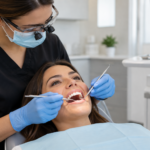
Dental anxiety is extremely common. Many patients delay or avoid care because of fear, past negative experiences, or sensitivity. Dental sedation offers a safe and effective solution for patients who want to receive treatment comfortably and without stress.
This guide explains what dental sedation is, how it works, the different types available, and what anxious patients can expect before, during, and after sedation dentistry.
Understanding Dental Anxiety
Dental anxiety can range from mild nervousness to severe phobia. Common triggers include:
- Fear of pain
- Sensitivity to sounds or smells
- Gag reflex
- Past traumatic dental experiences
- Loss of control
Sedation dentistry helps patients relax so they can receive necessary care.
What Is Dental Sedation?
Dental sedation involves using medication to help patients feel calm and comfortable during dental procedures. Patients remain conscious but relaxed.
Sedation does not replace local anesthesia. It works alongside numbing medication.
Types of Dental Sedation
Nitrous Oxide (Laughing Gas)
- Inhaled through a mask
- Quick onset and recovery
- Ideal for mild anxiety
Oral Sedation
- Taken as a pill before appointment
- Produces deeper relaxation
- Patient remains awake
IV Sedation
- Administered through a vein
- Deeper level of sedation
- Often used for complex procedures
What to Expect Before Your Appointment
- Medical history review
- Instructions regarding eating and drinking
- Transportation arrangements for oral or IV sedation
Your dentist will choose the safest option for your needs.
What It Feels Like During Sedation
Patients commonly report:
- Feeling relaxed
- Reduced awareness
- Little to no memory of procedure
- No pain
Time often seems to pass quickly.
After Sedation Dentistry
- Mild drowsiness may occur
- You’ll receive post-care instructions
- Most patients resume normal activity the next day
Benefits of Sedation Dentistry
- Reduced anxiety
- Increased comfort
- Ability to complete multiple procedures in one visit
- Better overall oral health
FAQ – Dental Sedation
Is dental sedation safe?
Yes, when properly administered.
Will I be asleep?
Most methods keep you awake but relaxed.
Can I drive afterward?
Only after nitrous oxide. Oral and IV sedation require a driver.
Is sedation covered by insurance?
Some plans offer partial coverage.
Can children receive sedation?
Yes, with appropriate evaluation.