Why Dental Insurance Matters
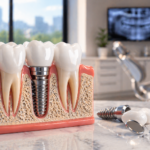
Dental care is essential to overall health, yet many people postpone treatment because of cost concerns. Routine cleanings and examinations help prevent cavities, gum disease and other oral health problems, while restorative work such as fillings, crowns and implants can restore function and confidence. Dental insurance and financing options make care more affordable by spreading costs over time and providing access to a network of providers. Understanding how insurance works empowers you to make informed decisions about your coverage and budget for both routine and unexpected dental needs.
How Dental Insurance Works
Dental insurance is a contract between you and an insurance company. You pay a premium—usually monthly or yearly—in exchange for coverage on specific dental procedures. Most dental plans focus on preventive care, covering cleanings and check‑ups at no cost to encourage regular visits. Coverage for restorative and major services may vary depending on the type of plan.
Key Terms
- Premium: The amount you pay regularly to maintain your dental insurance coverage. Employer‑sponsored plans may have premiums deducted from your paycheck. Individual plans require you to pay directly.
- Deductible: The amount you must pay out of pocket each year before your insurance begins to cover certain services. Preventive care often does not count toward the deductible.
- Coinsurance: The percentage of a procedure’s cost that you are responsible for paying once your deductible is met. For example, if your insurance covers 80% of a filling, your coinsurance would be 20%.
- Annual Maximum: The maximum amount your insurance will pay for covered services in a plan year. If you exceed this amount, you pay 100% of additional costs until the plan resets.
- Waiting Period: Some plans require you to wait a certain period before coverage for major services begins. This is common in individual plans to discourage people from enrolling only when they need expensive procedures.
Types of Dental Plans
Different plan structures exist to suit varying budgets and preferences. The American Dental Association (ADA) recognizes several common types of dental plans. Understanding these options helps you choose a plan that matches your needs.
Preferred Provider Organization (PPO) Plans
PPOs are the most popular type of dental plan in the United States. A PPO combines traditional indemnity insurance with a network of contracted dentists who agree to provide services at negotiated rates. You may see any dentist, but you receive greater benefits and lower out‑of‑pocket costs when you choose in‑network providers. A typical PPO design includes:
- 100% coverage for preventive and diagnostic services such as exams, cleanings and X‑rays.
- 80% coverage for basic restorative services like fillings and simple extractions, after a modest deductible (often around $50).
- 50% coverage for major restorative services such as crowns, bridges and dentures.
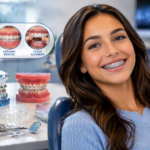
- Separate orthodontic coverage for braces or aligners, often up to 50% with a lifetime maximum.
- Annual maximum of around $1,500 for services other than orthodontics.
Because PPOs offer flexibility in choosing providers, they tend to have higher premiums than some other plan types. However, the broad coverage and ability to see out‑of‑network dentists (albeit at reduced benefits) make PPOs popular for families and individuals who want choice.
Dental Health Maintenance Organization (DHMO) or Capitation Plans
DHMO plans, sometimes called capitation plans, assign each member to a primary care dentist within a network. The dentist receives a fixed monthly payment for each patient, regardless of whether the patient visits. In exchange, members receive preventive and diagnostic services at no cost or with a small co‑payment and reduced fees for other treatments. Characteristics of DHMO plans include:
- Lower premiums and minimal or no deductibles.
- Fixed co‑payments for procedures; preventive care often has no co‑pay.
- No claims forms to submit; services must be performed by your assigned dentist to be covered.
- Limited provider choice—patients must see their designated or network dentists to receive benefits.
DHMO plans can be cost‑effective for those willing to trade provider choice for lower out‑of‑pocket expenses. However, if you need specialized care outside the network, you may have to pay the full fee yourself.
Indemnity (Traditional) Plans
Indemnity plans—sometimes called fee‑for‑service plans—allow you to visit any dentist. The insurance company pays a percentage of the dentist’s fee or of a “usual, customary and reasonable” (UCR) fee schedule. Typical indemnity coverage resembles PPO coverage (100% preventive, 80% basic, 50% major), but there is no network. These plans generally have:
- Higher premiums than DHMO plans.
- Flexibility in choosing any licensed dentist.
- Reimbursement based on UCR fees, which may or may not cover the dentist’s full charge.
Indemnity plans are less common today but may appeal to people who value freedom of choice and regularly see dentists outside PPO networks.
Direct Reimbursement (DR) Plans
Direct reimbursement plans differ from traditional insurance. Instead of paying premiums for a list of covered procedures, you pay your dentist directly for treatment and then submit proof of payment to your employer or plan administrator. You are reimbursed a percentage of the cost up to a specified annual maximum. Features include:
- Freedom to choose any dentist. You and your dentist agree on treatment without insurance company interference.
- Simple reimbursement structure. For example, a plan might reimburse 100% of the first $200 in expenses, 80% of the next $250 and 50% of the next $2,200, up to an annual maximum of $1,500.
- No claim review or utilization review, so your dentist’s treatment recommendations are less likely to be questioned.
Because they eliminate many administrative hassles, DR plans are the ADA’s preferred method of financing dental treatment. They are more commonly offered by employers than individuals.
Discount and Savings Plans
Dental discount plans are not insurance but membership programs. You pay an annual fee and receive discounted rates from participating dentists. There are no deductibles or annual maximums, but you pay the discounted fee at the time of service. These plans can be beneficial for people who want to reduce costs without carrying traditional insurance.
Financing Options Beyond Insurance
Even with insurance, you may face out‑of‑pocket expenses for procedures that exceed your plan’s annual maximum or that are not fully covered. Financing options help manage these costs.
Health Savings Accounts (HSAs) and Flexible Spending Accounts (FSAs)
HSAs and FSAs are tax‑advantaged accounts you can use to pay for qualified medical and dental expenses. You contribute pre‑tax dollars (often through your employer) and then use those funds to cover co‑payments, deductibles and other eligible costs. HSAs are paired with high‑deductible health plans and roll over year to year, while FSAs typically require you to use the funds within the plan year. Using these accounts can lower your taxable income while helping you budget for dental care.
Third‑Party Financing (Dental Loans and Credit)
Some patients turn to third‑party financing companies such as CareCredit, Sunbit or personal loans to pay for major dental procedures. These companies offer lines of credit specifically for medical and dental care. Interest rates and repayment terms vary, so it is important to compare offers and understand the total cost before committing.
In‑House Payment Plans
Many dental offices offer in‑house payment plans that allow you to spread the cost of treatment over several months with little or no interest. Ask your dentist whether they provide payment plans and what terms are available. This option can be helpful for families without insurance or those facing large out‑of‑pocket expenses.
Dental Savings Plans and Membership Clubs
Some practices offer membership clubs or savings plans for patients without insurance. By paying a yearly or monthly membership fee, you receive free preventive care (exams, cleanings, X‑rays) and discounts on other services. These plans can be an affordable alternative to traditional insurance if you do not need extensive restorative work.
Choosing the Right Plan
Selecting a dental plan or financing option depends on your needs, budget and personal preferences. Consider the following tips:
- Estimate your dental needs. If you primarily need preventive care, a DHMO or discount plan may be cost‑effective. If you anticipate restorative or specialized treatment, a PPO or indemnity plan may offer better coverage.
- Check provider networks. Ensure your preferred dentist participates in the plan’s network, or be prepared for higher out‑of‑network fees.
- Compare premiums, deductibles and annual maximums. Balance monthly costs against the benefits you expect to use.
- Understand waiting periods and coverage limitations. Read the fine print to know when your coverage begins for major services and what procedures are excluded.
- Use tax‑advantaged accounts. Contributing to an HSA or FSA can lower the effective cost of dental care.
- Ask about payment plans. Even if you have insurance, financing options can make higher out‑of‑pocket costs more manageable.
Maximizing Your Benefits
Once you have coverage, use it wisely:
- Schedule preventive visits. Take advantage of fully covered cleanings and exams. Regular visits allow early detection and can reduce the need for costly treatments later.
- Coordinate treatment with your annual maximum. If you need extensive work, plan with your dentist to spread procedures across two policy years when possible.
- Submit claims promptly. Keep receipts and documentation to ensure reimbursement from insurance, HSA/FSA or direct reimbursement plans.
- Review your plan annually. Dental plans and your oral health needs can change. Open enrollment is the time to adjust your coverage.
Conclusion
Dental insurance and financing options help make quality dental care accessible and affordable. By understanding the different types of plans—PPOs, DHMOs, indemnity plans, direct reimbursement and discount plans—you can choose coverage that aligns with your lifestyle and budget. Combining insurance with tax‑advantaged accounts or flexible payment plans ensures that cost never stands between you and a healthy smile. Discuss your options with your dentist and insurance advisor to create a plan that supports your long‑term oral health.
Frequently Asked Questions (FAQ)
Q: What is the 100/80/50 rule in dental insurance?
Many traditional and PPO dental plans follow a coverage structure where preventive services like exams and cleanings are covered at 100%, basic restorative procedures at 80% and major services at 50%. Exact coverage may vary by plan.
Q: Do dental plans cover cosmetic procedures?
Most dental insurance focuses on treatments that restore function and health. Cosmetic procedures such as veneers or whitening are usually excluded or only partially covered. Check your plan details.
Q: Can I have both a dental insurance plan and a discount plan?
Generally, you cannot use both on the same procedure. However, a discount plan may be useful if you lack insurance or have reached your annual maximum. Always confirm whether combining programs is allowed.
Q: What happens if I reach my annual maximum?
Once you reach your plan’s annual maximum, any additional treatment costs are your responsibility until the benefits reset. Talk to your dentist about scheduling to spread treatment over two plan years or consider financing options.
Q: Are orthodontics covered by dental insurance?
Some plans offer separate orthodontic benefits, often covering around 50% of treatment costs up to a lifetime maximum. Not all plans include orthodontics, so verify coverage before starting treatment.