If you had braces years ago but your teeth are starting to look crooked again, you are not alone. Many adults notice that their teeth gradually shift after orthodontic treatment, especially if they stopped wearing their retainers.
This can be frustrating. You may have already spent years in braces as a teenager, only to see crowding, gaps, or bite changes return later in life.
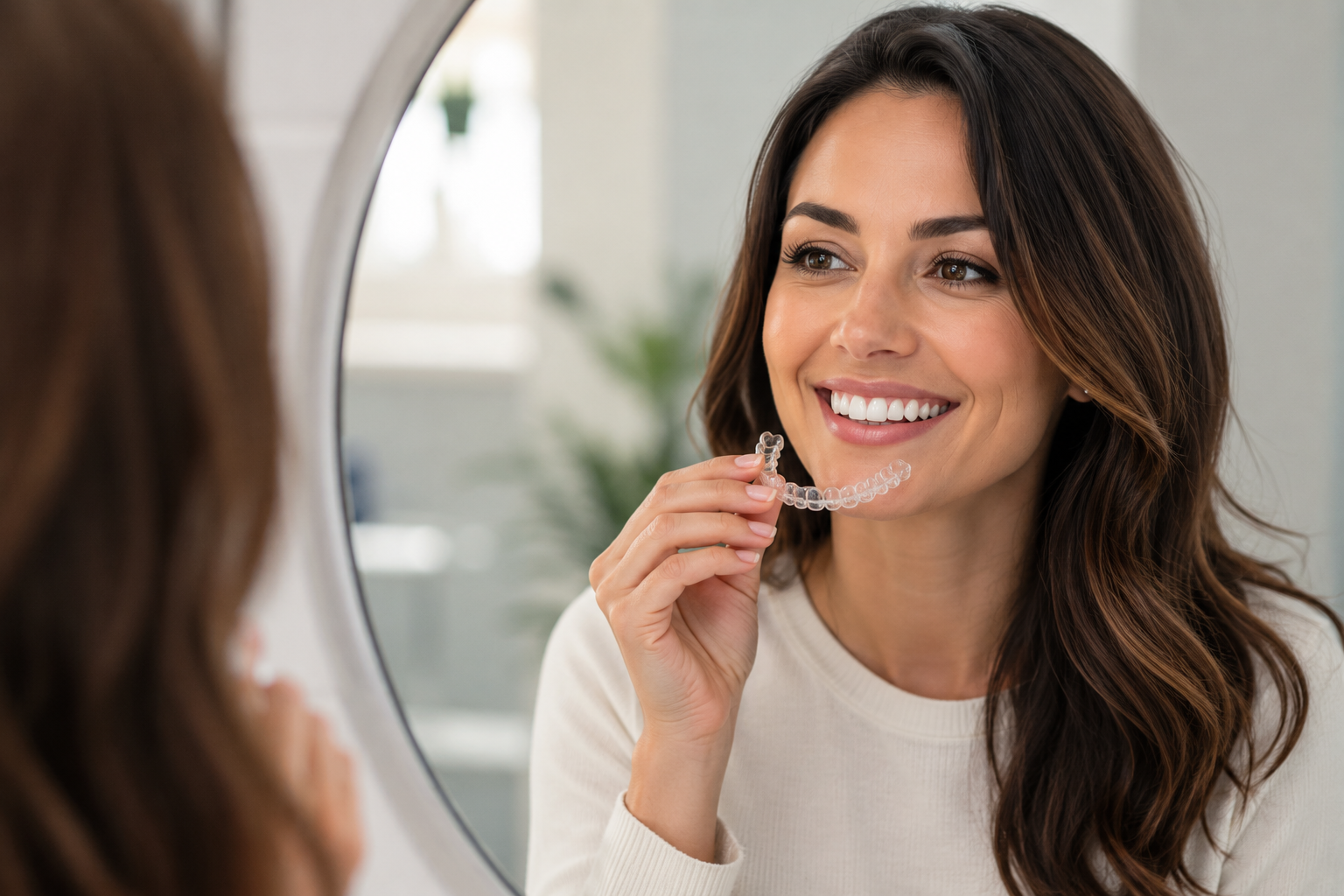
The good news is that you may not need traditional braces again. Invisalign can often help adults correct mild to moderate tooth movement with clear, removable aligners that fit more easily into everyday life.
At Park Ave Dental Aesthetics, patients can learn more about Invisalign in Weehawken and whether clear aligners are right for correcting teeth that shifted after braces.
Why Do Teeth Shift After Braces?
Teeth can shift after braces for several reasons. Orthodontic treatment moves teeth into better alignment, but your teeth are not permanently locked in place afterward. They are held by bone, ligaments, gums, and surrounding oral structures that continue to change over time.
Even after successful braces treatment, teeth can gradually move if they are not maintained properly.
Common reasons teeth shift after braces include:
- Not wearing retainers as directed
- Natural aging
- Jaw changes over time
- Tooth loss
- Gum disease
- Teeth grinding or clenching
- Wisdom teeth pressure
- Bite imbalance
- Previous crowding returning
- Normal daily chewing pressure
For many adults, the biggest reason is simple: they stopped wearing their retainers.
The Role of Retainers After Braces
Retainers are designed to hold your teeth in their new position after orthodontic treatment. Without them, teeth can slowly drift back toward their original position.
This is called orthodontic relapse.
Some patients wear retainers consistently for the first year or two, then gradually stop. Others lose their retainers, break them, or feel they no longer need them. Over time, small changes can become more noticeable.
You may first notice:
- Lower front teeth becoming crowded
- A small gap reopening
- Teeth rotating slightly
- Your bite feeling different
- Floss getting harder between certain teeth
- Your smile looking less even in photos
Even small shifts can affect confidence, oral hygiene, and bite function.
Is It Normal for Teeth to Shift as an Adult?
Yes, some tooth movement is normal as you age. Your teeth are exposed to daily pressure from chewing, speaking, swallowing, grinding, and clenching. Your jaw and gum tissue can also change over time.
Adult tooth movement may be more noticeable if you had orthodontic treatment in the past because you are more aware of how your smile used to look.
However, noticeable shifting should not be ignored. If your teeth are moving, your dentist can evaluate whether it is minor relapse, gum-related movement, bite-related pressure, or another oral health issue.
Can Invisalign Fix Teeth That Shifted After Braces?
In many cases, yes. Invisalign can be an excellent option for adults whose teeth shifted after braces.
Invisalign uses a series of clear aligners to gradually move teeth into better alignment. Since the aligners are removable and nearly invisible, many adults prefer them over traditional braces for correcting relapse.
Invisalign may help with:
- Mild to moderate crowding
- Small gaps
- Rotated teeth
- Lower front teeth crowding
- Minor bite changes
- Teeth that shifted after braces
- Cosmetic alignment concerns
The only way to know whether Invisalign is right for your case is to schedule a consultation. Your dentist will evaluate your teeth, bite, gums, and smile goals before recommending treatment.
Why Adults Often Prefer Invisalign Over Braces
Many adults want to straighten their teeth again, but they do not want metal braces. Invisalign offers a more discreet and flexible option.
Adults often prefer Invisalign because the aligners are:
- Clear and less noticeable
- Removable for eating
- Removable for brushing and flossing
- Comfortable for many patients
- Easier to fit into work and social routines
- Helpful for professional settings
- Designed with a personalized treatment plan
If your teeth shifted after braces, Invisalign may allow you to correct the issue without going through the same type of orthodontic experience you had as a teenager.
Park Ave Dental Aesthetics has also covered Invisalign for adults, which can help patients understand why clear aligners are a popular option later in life.
How Invisalign Works for Orthodontic Relapse
The Invisalign process begins with a consultation and dental evaluation. Your dentist will look at how much your teeth have shifted and whether clear aligners can achieve the results you want.
The process may include:
- Smile evaluation
Your dentist reviews your teeth, bite, crowding, spacing, and cosmetic concerns. - Digital scanning
A digital scan may be used to create a detailed model of your teeth. - Treatment planning
Your dentist plans how your teeth should move during treatment. - Custom aligners
A series of clear aligners is created for your smile. - Daily wear
You wear the aligners as directed, usually removing them for meals, brushing, and flossing. - Progress checks
Your dentist monitors movement and makes sure treatment is on track. - Retainers after treatment
After Invisalign, retainers help keep your teeth from shifting again.
Park Ave Dental Aesthetics uses modern technology, including the iTero 3D Scanner, to help make the scanning and planning process more comfortable and precise.
Do You Need Invisalign If Your Teeth Only Shifted a Little?
Not always. If the movement is very minor, your dentist may recommend a new retainer or another conservative option. However, if teeth have shifted enough that a retainer no longer fits, Invisalign may be needed to move them back into better alignment.
Signs you may need Invisalign instead of only a retainer include:
- Your old retainer no longer fits
- Teeth look visibly crowded
- Gaps have reopened
- Teeth feel harder to clean
- Your bite feels uneven
- You are unhappy with your smile in photos
- Teeth have rotated or overlapped
A retainer holds teeth in place. It does not usually move teeth significantly. Invisalign is designed to move teeth gradually and intentionally.
Can You Use Your Old Retainer Again?
If your teeth have shifted, forcing an old retainer into place is not a good idea. It may feel tight, uncomfortable, or painful. It can also place unhealthy pressure on your teeth.
If your retainer no longer fits, schedule a dental visit. Your dentist can evaluate whether a new retainer is enough or whether Invisalign would be a better option.
Trying to force an old retainer can lead to soreness, tooth movement in the wrong direction, or damage to the retainer.
What Happens If You Ignore Shifting Teeth?
Minor tooth movement may seem cosmetic at first, but it can create other problems over time.
Crowded or overlapping teeth can be harder to brush and floss properly. This may increase the risk of plaque buildup, cavities, gum inflammation, and bad breath.
Tooth shifting can also affect your bite. When teeth no longer meet evenly, some teeth may experience more pressure than others. This can contribute to wear, sensitivity, jaw discomfort, or chipped teeth.
Ignoring shifting teeth may lead to:
- More crowding
- Harder cleaning
- Gum irritation
- Bite imbalance
- Tooth wear
- Jaw tension
- Cosmetic concerns
- More complex treatment later
Park Ave Dental Aesthetics provides general dentistry in Weehawken to help patients maintain healthy teeth and gums at every stage of care.
Teeth Grinding and Shifting After Braces
Teeth grinding, also called bruxism, can contribute to tooth wear, jaw discomfort, and bite pressure. In some cases, grinding or clenching may play a role in tooth movement or make existing bite issues worse.
If you grind your teeth at night, you may notice:
- Jaw soreness
- Morning headaches
- Worn tooth edges
- Chipped teeth
- Tooth sensitivity
- Tight facial muscles
- Pain near the temples
If grinding is part of the problem, your dentist may recommend a nightguard after Invisalign treatment to help protect your teeth and reduce excessive pressure.
Gum Health and Tooth Movement
Healthy gums and bone are important for stable teeth. If gum disease causes bone loss, teeth may become loose or shift position.
This is one reason an Invisalign consultation should include an oral health evaluation. If gum disease is active, it may need to be treated before orthodontic movement begins.
Signs of gum disease may include:
- Bleeding gums
- Swollen gums
- Receding gums
- Persistent bad breath
- Loose teeth
- Gum tenderness
- Changes in bite
Straightening teeth without addressing gum disease can create additional risks. A healthy foundation is important for predictable results.
How Long Does Invisalign Take for Teeth That Shifted?
Treatment time depends on how much your teeth have moved.
Some adults with minor relapse may complete Invisalign in a shorter period than someone starting orthodontic treatment for the first time. More noticeable crowding, spacing, or bite issues may take longer.
Factors that affect treatment time include:
- How much movement is needed
- Whether the bite has changed
- How consistently aligners are worn
- Whether refinements are needed
- Gum and bone health
- Previous orthodontic history
Your dentist can provide a more accurate timeline after your consultation.
Will Invisalign Be Easier Than Braces Were?
Many adults find Invisalign more convenient than braces, especially if they had braces when they were younger.
Because Invisalign aligners are removable, there are no brackets or wires to clean around. You can eat most foods normally as long as you remove the aligners first. Brushing and flossing are also easier compared to braces.
However, Invisalign does require responsibility. You need to wear the aligners consistently for treatment to work properly.
Invisalign may be easier in terms of comfort and lifestyle, but success depends on compliance.
What Happens After Invisalign?
After Invisalign, retainers are essential.
If you already experienced shifting after braces, wearing retainers after Invisalign is especially important. Retainers help protect your results and reduce the risk of future movement.
Your dentist will explain:
- When to wear your retainers
- How to clean them
- When they may need to be replaced
- What to do if they feel tight
- How often to schedule follow-up visits
A retainer is not optional if you want your results to last.
Can Invisalign Be Part of a Cosmetic Smile Plan?
Yes. Invisalign can be a great first step in a cosmetic dentistry plan.
Some patients want veneers, bonding, whitening, or other cosmetic improvements, but their teeth are crowded or unevenly spaced. In these cases, Invisalign may help create a better foundation before cosmetic treatment.
Straightening teeth first may improve symmetry, reduce the amount of tooth reshaping needed, and help create a more balanced final result.
Park Ave Dental Aesthetics offers cosmetic dentistry in Weehawken for patients who want to improve the appearance of their smile with a personalized approach.
Is Invisalign Worth It If You Already Had Braces?
For many adults, yes. Invisalign can be worth it if shifted teeth are affecting your confidence, bite, oral hygiene, or smile appearance.
Even if your teeth only shifted mildly, treatment can help restore the smile you once had and make it easier to keep your teeth clean.
Invisalign may be especially worthwhile if:
- You dislike how your teeth look now
- Your teeth shifted after braces
- Your old retainer no longer fits
- Crowding is making flossing harder
- Your bite feels uneven
- You want a discreet treatment option
- You want to protect your smile long term
Park Ave Dental Aesthetics has also covered braces vs. Invisalign for patients deciding which option is better for their current needs.
Invisalign in Weehawken, NJ
If your teeth shifted after braces, Invisalign may help you regain a straighter, more confident smile without traditional metal braces.
Park Ave Dental Aesthetics provides Invisalign consultations for patients in Weehawken and nearby communities, including Union City, West New York, Guttenberg, Hoboken, and Jersey City.
To learn more, visit the Invisalign page or contact Park Ave Dental Aesthetics to schedule an appointment.
Final Thoughts
Teeth can shift years after braces, especially when retainers are not worn consistently. While this can be frustrating, it does not mean you have to live with crowding, gaps, or relapse.
Invisalign can often help adults correct teeth that shifted after braces with clear, removable aligners that fit into daily life.
The best next step is a consultation. Your dentist can evaluate your teeth, bite, gum health, and smile goals to determine whether Invisalign is the right option.
A straighter smile may still be possible, even if your braces came off years ago.
FAQ: Teeth Shifting After Braces and Invisalign
Why did my teeth shift after braces?
Teeth can shift after braces if retainers are not worn consistently. Natural aging, bite pressure, gum disease, teeth grinding, and jaw changes can also contribute to movement.
Can Invisalign fix teeth that shifted after braces?
Yes. Invisalign can often correct mild to moderate tooth shifting after braces. A consultation is needed to determine whether clear aligners are right for your case.
Is it normal for teeth to move years after braces?
Yes. Some movement can happen over time, especially if retainers are not worn. However, noticeable shifting should be evaluated by a dentist.
Can I wear my old retainer if my teeth shifted?
You should not force an old retainer into place if it no longer fits. A dentist can determine whether you need a new retainer or Invisalign treatment.
Do retainers move teeth back?
Retainers are mainly designed to hold teeth in place. They usually cannot correct significant shifting. Invisalign may be needed to move teeth back into better alignment.
How long does Invisalign take for orthodontic relapse?
Treatment time depends on how much your teeth have shifted. Minor relapse may take less time, while more complex movement may take longer.
Is Invisalign better than braces for adults with shifted teeth?
Invisalign is often preferred by adults because it is clear, removable, and more discreet than braces. Braces may be better for complex cases.
Will I need retainers after Invisalign?
Yes. Retainers are needed after Invisalign to help prevent teeth from shifting again.
Can shifted teeth affect oral health?
Yes. Crowded or shifted teeth can make brushing and flossing harder. They may also affect your bite and increase the risk of wear or gum problems.
Where can I get Invisalign for shifted teeth in Weehawken, NJ?
Park Ave Dental Aesthetics offers Invisalign consultations in Weehawken, NJ for patients whose teeth shifted after braces or who want a straighter smile.