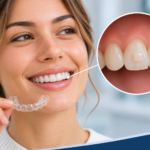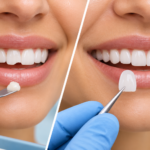
Porcelain veneers can transform the appearance of a smile, but many patients have an important question before treatment: what actually happens to the natural teeth underneath them? Understanding enamel removal, tooth health, cavity risks, and long-term maintenance can help you decide whether veneers are right for your smile.
One of the biggest misconceptions about veneers is that the natural teeth underneath them are either completely protected from future dental problems or permanently damaged by the procedure. Neither statement tells the full story.
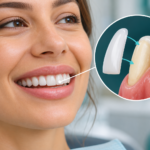
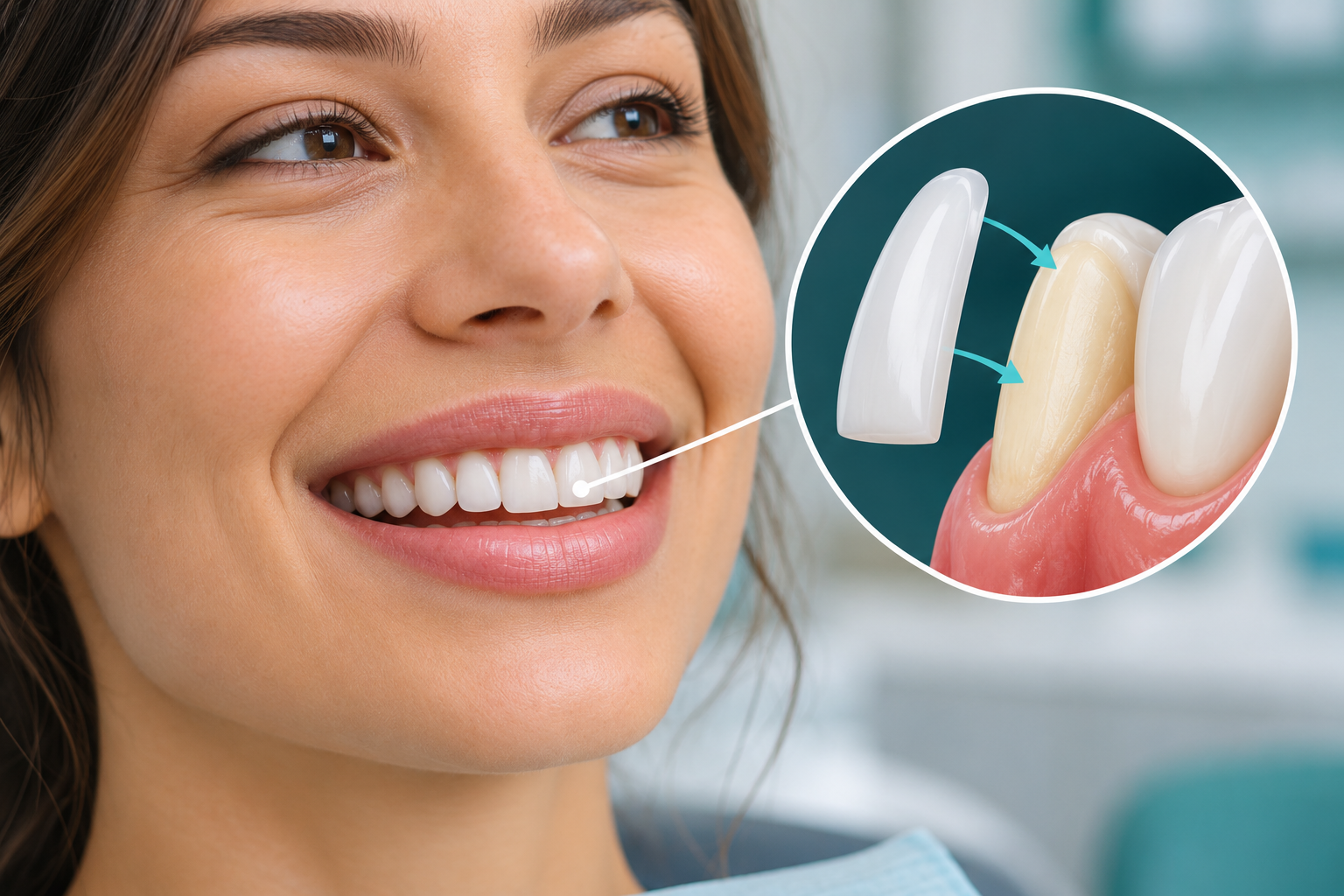
Porcelain veneers are thin, custom-made restorations that cover the front surfaces of teeth. The natural teeth remain in place underneath, continuing to function as living teeth with roots, nerves, and surrounding gum tissue.
At Park Ave Dental Group in Weehawken, NJ, cosmetic dentistry focuses on creating natural-looking smiles while considering tooth structure, bite function, and long-term oral health.
If you are considering porcelain veneers, it helps to understand what changes during treatment, what stays the same, and how to protect your natural teeth afterward.
Tooth Appearance
Veneers can improve visible tooth color, shape, proportions, and certain cosmetic imperfections.
Your Natural Teeth
Your original tooth structure, roots, and supporting tissues remain, although some enamel is usually removed during preparation.
What Happens to Your Teeth When You Get Veneers?
Getting porcelain veneers involves preparing selected teeth so custom restorations can be bonded securely to their front surfaces. The amount of preparation depends on the position, shape, condition, and cosmetic goals of each tooth.
During traditional veneer treatment, the dentist typically removes a small amount of enamel from the front and sometimes the sides of the tooth. This creates space for the porcelain and helps the final restoration look proportional rather than bulky.
After preparation, impressions or digital scans are taken to help create the veneers. Once ready, the restorations are evaluated for fit, shape, and color before bonding.
The natural tooth is not removed. The veneer becomes an attached cosmetic restoration covering part of the tooth’s visible surface.
Do Veneers Damage Your Natural Teeth?
Professionally planned porcelain veneers are designed to improve tooth appearance while preserving as much healthy tooth structure as practical. However, traditional veneers do require permanent modification of the enamel.
This is an important distinction. Removing enamel does not automatically mean a tooth is unhealthy, but enamel does not grow back. Once a tooth has been prepared for a traditional veneer, it will generally continue to need a veneer or another suitable restoration in the future.
Potential problems can arise if veneers are poorly fitted, placed over untreated dental disease, exposed to excessive biting forces, or not properly maintained.
Because veneer treatment involves a long-term commitment, it is important to choose an experienced dentist who evaluates both cosmetic goals and oral health before treatment.
Important: Porcelain veneers are generally an irreversible cosmetic procedure when enamel is removed. Patients should understand the preparation process, alternatives, and future replacement needs before beginning treatment.
How Much Enamel Is Removed for Porcelain Veneers?
The amount of enamel removed depends on the treatment plan. Some teeth may require less preparation than others, especially when the natural tooth shape and position already allow sufficient room for a veneer.
Teeth that are rotated, protruding, unusually shaped, or positioned differently may need more planning. In some cases, orthodontic treatment may be considered before veneers to reduce the need for extensive tooth preparation.
Enamel preservation is important because enamel protects the sensitive inner layers of the tooth. Your dentist should explain how much preparation is expected and whether your natural enamel provides a suitable foundation for veneers.
Patients interested in cosmetic alignment alternatives can also read Park Ave Dental Group’s article on when veneers work for crooked teeth and when Invisalign may be better.
Can Your Teeth Rot Under Veneers?
Natural teeth can still develop cavities after veneers are placed. A veneer covers part of the tooth, but it does not eliminate the possibility of tooth decay.
Cavities can develop in areas of exposed natural tooth structure, around restoration margins, or beneath a veneer if bacteria gain access through a compromised area.
The risk of decay depends on factors such as oral hygiene, diet, fluoride exposure, gum health, and the condition of the veneer and surrounding tooth.
Properly fitted veneers and consistent dental care help reduce problems, but veneers should never be treated as a replacement for brushing, flossing, or routine dental examinations.
Can You Still Get Cavities With Veneers?
Yes. The porcelain itself does not develop cavities, but the natural tooth underneath and around it can still decay. Brushing, flossing, and regular dental visits remain essential.
What Causes Decay Around a Veneer?
Tooth decay can develop when bacteria in plaque produce acids that damage exposed natural tooth structure. Several factors may increase the risk of problems around a veneer.
Plaque Buildup
Inconsistent brushing or flossing allows plaque to collect near the gums and along restoration margins.
Frequent Sugar Exposure
Repeated consumption of sugary snacks and drinks can increase acid attacks on natural tooth structure.
Damaged Veneer Margins
A loose, chipped, or compromised veneer may create areas where plaque and bacteria can collect.
Gum Recession
When gums recede, more natural tooth surface may become exposed and require additional attention.
These concerns are among the reasons a cosmetic dental consultation should include an evaluation of the teeth and gums, not just the visible appearance of the smile.
How Can You Tell If Something Is Wrong Under a Veneer?
Problems involving veneers or the supporting teeth do not always create obvious symptoms. However, certain changes should prompt a dental evaluation.
Warning Signs to Watch For
- New or persistent tooth sensitivity
- Pain when biting or chewing
- A veneer that feels loose or moves
- Swollen or bleeding gums around the veneer
- Dark discoloration near the veneer edge
- A noticeable change in the bite
- A chipped, cracked, or broken veneer
- Persistent bad taste or unusual odor near a restoration
These symptoms do not necessarily mean there is decay beneath a veneer. They can also result from gum inflammation, sensitivity, changes in the restoration, or other dental concerns.
A dentist may use a clinical examination and appropriate imaging to determine what is happening and whether treatment is needed.
Thinking About Porcelain Veneers?
Before changing your smile, understand how veneer treatment may affect your natural teeth. Park Ave Dental Group can evaluate your enamel, gums, bite, and cosmetic goals to help you make an informed decision.
Request a Veneers ConsultationDo Veneers Protect Your Teeth From Cavities?
Veneers cover the front surface of a tooth, but their primary purpose is cosmetic improvement rather than complete protection against cavities.
Unlike a dental crown, which generally covers the entire visible portion of a tooth, a veneer leaves other natural tooth surfaces exposed.
This means cavities can still develop between teeth, near the gumline, or on the back surfaces of teeth with veneers.
If a tooth is significantly weakened by decay, fracture, or a large previous restoration, a dentist may recommend a crown or another restorative treatment instead of a veneer.
The goal should always be to choose a treatment that is suitable for the condition of the tooth, not simply the one that changes its appearance the most.
What Happens If You Get a Cavity Under a Veneer?
If decay develops near or beneath a veneer, the appropriate treatment depends on the location and severity of the problem.
A small cavity on an accessible natural tooth surface may sometimes be repaired without replacing the veneer. However, decay directly beneath the restoration may require removing the veneer to treat the tooth properly.
Depending on how much tooth structure is affected, treatment could involve a filling, a replacement veneer, a crown, or another restorative procedure.
Early detection is important. Waiting until a tooth becomes painful can allow decay to progress and may limit treatment options.
Are Your Natural Teeth Still Alive Under Veneers?
Yes. Your natural teeth remain in place under porcelain veneers. The roots, internal nerves, and surrounding supporting tissues are not removed simply because veneers are placed.
Traditional veneer preparation typically affects the outer enamel. It does not normally involve removing the nerve inside the tooth.
However, teeth can sometimes become sensitive after preparation or bonding. The degree and duration of sensitivity vary depending on the tooth, the amount of preparation, and other individual factors.
If sensitivity is severe, persistent, or getting worse, the tooth should be evaluated rather than assuming the symptoms are a normal part of veneer treatment.
Can Veneers Cause Tooth Sensitivity?
Some patients experience temporary sensitivity after porcelain veneers are placed. This may be related to tooth preparation, bonding, changes in the bite, or sensitivity of the underlying tooth.
Patients may notice sensitivity to cold drinks, hot beverages, or pressure when chewing.
Your dentist can explain what symptoms may occur after treatment and when you should contact the office. Persistent pain, significant sensitivity, or discomfort that worsens should not be ignored.
What Happens When Veneers Need to Be Replaced?
Porcelain veneers are designed to be durable, but they are not permanent in the sense that they never require maintenance or replacement.
Over time, a veneer may chip, crack, loosen, or become less suitable because of changes in the tooth, gums, or bite.
When a veneer needs replacement, the dentist evaluates the existing restoration and the condition of the natural tooth beneath it.
The old veneer may need to be removed carefully before another veneer or different restoration can be placed. Additional preparation may sometimes be required depending on the tooth’s condition.
Because the underlying enamel has already been altered during the original treatment, future restoration planning is an important part of the long-term commitment.
Veneers vs. Natural Teeth: What Changes?
| Feature | Natural Tooth | Tooth With Veneer |
|---|---|---|
| Appearance | Natural enamel color and shape | Visible front surface enhanced with porcelain |
| Tooth Root | Remains in the jawbone | Remains in the jawbone |
| Nerve | Present in a healthy vital tooth | Usually remains present |
| Cavity Risk | Can develop tooth decay | Natural tooth can still develop decay |
| Enamel | Intact unless worn or damaged | Some enamel usually removed for traditional veneers |
| Maintenance | Daily cleaning and dental exams | Daily cleaning, exams, and restoration monitoring |
How to Keep Your Natural Teeth Healthy Under Veneers
Long-term veneer care is not complicated, but it does require consistency. The goal is to protect the natural tooth structure, gum tissue, and restoration margins while avoiding unnecessary damage.
Brush Twice Daily
Use a soft-bristled toothbrush and fluoride toothpaste. Pay attention to the gumline where plaque can collect around natural tooth surfaces and veneer margins.
Floss Every Day
Clean between teeth to remove plaque from areas a toothbrush cannot reach. Veneers do not replace the need for interdental cleaning.
Avoid Excessive Biting Force
Do not use your teeth to open packaging, chew ice, or bite hard objects. These habits can damage veneers and natural teeth.
Keep Routine Dental Visits
Regular dental examinations help monitor the gums, restoration margins, surrounding teeth, and signs of decay or wear.
Protect Against Grinding
If you grind or clench your teeth, your dentist may recommend a nightguard to help protect the veneers and surrounding teeth.
What About Gum Disease and Veneers?
Healthy gums are an important part of successful cosmetic dentistry. Gum inflammation, recession, or periodontal disease can affect the appearance and long-term health of teeth with veneers.
If gums recede after veneers are placed, more of the underlying tooth or restoration margin may become visible. This can affect appearance, sensitivity, and cleaning requirements.
Active gum disease should generally be addressed before cosmetic veneers are placed. Treating periodontal concerns first helps create a healthier foundation for the restorations.
During a cosmetic consultation, your dentist should evaluate gum health as well as tooth structure and bite function.
Are No-Prep Veneers Better for Natural Teeth?
Some patients are interested in minimal-preparation or no-preparation veneers because they want to preserve as much natural enamel as possible.
These approaches may be suitable for certain cosmetic situations, but they are not appropriate for every tooth or smile. Adding material without creating enough space can sometimes make teeth appear bulky or affect how they fit together.
Whether a minimal-preparation approach is appropriate depends on your tooth position, existing enamel, bite, and desired cosmetic changes.
The important question is not simply whether a veneer requires preparation. It is whether the proposed treatment is appropriate for your particular teeth and long-term oral health.
How Do You Know If You Are a Good Candidate for Veneers?
A good candidate for porcelain veneers generally has healthy teeth and gums, sufficient tooth structure, and cosmetic concerns that veneers can address appropriately.
Your dentist may consider:
- The condition and thickness of your enamel
- Whether cavities or gum disease are present
- Your current bite alignment
- Whether you grind or clench your teeth
- The number of teeth you want to improve
- Your preferred tooth shape and color
- Whether bonding, whitening, or Invisalign would be a more conservative option
- Your willingness to maintain and eventually replace restorations when necessary
Patients exploring a larger cosmetic change can learn more about available procedures on Park Ave Dental Group’s cosmetic dentistry page.
The Most Important Question to Ask
Before getting porcelain veneers, ask your dentist: “How much of my natural tooth structure will remain, and how will we protect it over time?” Understanding the answer can help you make a confident, informed decision.
Final Thoughts: Protecting Your Natural Teeth With Veneers
Porcelain veneers can create meaningful cosmetic improvements, but the natural teeth underneath still matter. Your original teeth remain in place, and their long-term health depends on appropriate treatment planning, good oral hygiene, healthy gums, and regular dental care.
Veneers do not automatically cause cavities or damage, but they also do not make natural teeth immune to dental problems. Because traditional veneer treatment usually involves permanent enamel modification, understanding the risks and maintenance requirements is essential.
If you are considering veneers, schedule a consultation with Park Ave Dental Group in Weehawken, NJ. The dental team can examine your teeth, discuss your goals, and explain whether porcelain veneers or another cosmetic option may be appropriate for your smile.
Ready to Learn More About Porcelain Veneers?
Explore your cosmetic options with a personalized consultation. Get answers about enamel preparation, smile design, tooth health, and what to expect before beginning treatment.
Schedule a ConsultationFrequently Asked Questions About Teeth Under Veneers
What happens to your real teeth under veneers?
Your natural teeth remain in place underneath the veneers. A small amount of enamel is usually removed during traditional veneer preparation, and a custom porcelain restoration is bonded to the front of the tooth.
Do veneers ruin your natural teeth?
Properly planned veneers do not automatically ruin natural teeth. However, traditional veneers involve permanent enamel modification, so patients should understand the procedure and long-term maintenance requirements.
Can your teeth rot underneath veneers?
Yes, natural teeth can still develop cavities under or around veneers. The porcelain does not decay, but exposed tooth structure and areas around damaged restoration margins can be affected.
Does getting veneers hurt your tooth nerves?
Veneer treatment does not normally involve removing tooth nerves. Some patients may experience sensitivity after preparation or bonding. Persistent or severe symptoms should be evaluated by a dentist.
Can you remove veneers and go back to natural teeth?
Traditional veneers usually require enamel removal, so returning to the original untreated tooth condition is generally not possible. Teeth that have been prepared typically need continued restorative coverage.
Do veneers protect against tooth decay?
Veneers cover part of the tooth, but they do not prevent all cavities. Natural tooth surfaces remain vulnerable, making brushing, flossing, fluoride, and regular dental visits important.
What are signs of decay under a veneer?
Possible warning signs include new sensitivity, pain when biting, discoloration around the veneer edge, swelling, or looseness. These symptoms require an examination to determine the cause.
How often should veneers be checked?
Veneers should be evaluated during regular dental exams. Your dentist can recommend an appointment schedule based on your oral health, risk factors, and restoration condition.
Can gum recession affect porcelain veneers?
Yes. Gum recession may expose restoration margins or natural tooth surfaces, which can affect appearance and sensitivity. Maintaining gum health is important for veneer longevity.
What happens if a veneer needs replacement?
Your dentist will evaluate the condition of the veneer and underlying tooth. The old restoration may need to be removed and replaced with another veneer, crown, or appropriate treatment based on the tooth’s condition.
Are veneers permanent?
Traditional veneer preparation is generally irreversible because enamel is removed, but the veneers themselves are not guaranteed to last forever. They may require repair or replacement over time.
How can I keep my teeth healthy under veneers?
Brush twice daily with fluoride toothpaste, floss daily, attend regular dental visits, avoid biting hard objects, and manage grinding if present. Contact your dentist if a veneer becomes loose, painful, or damaged.