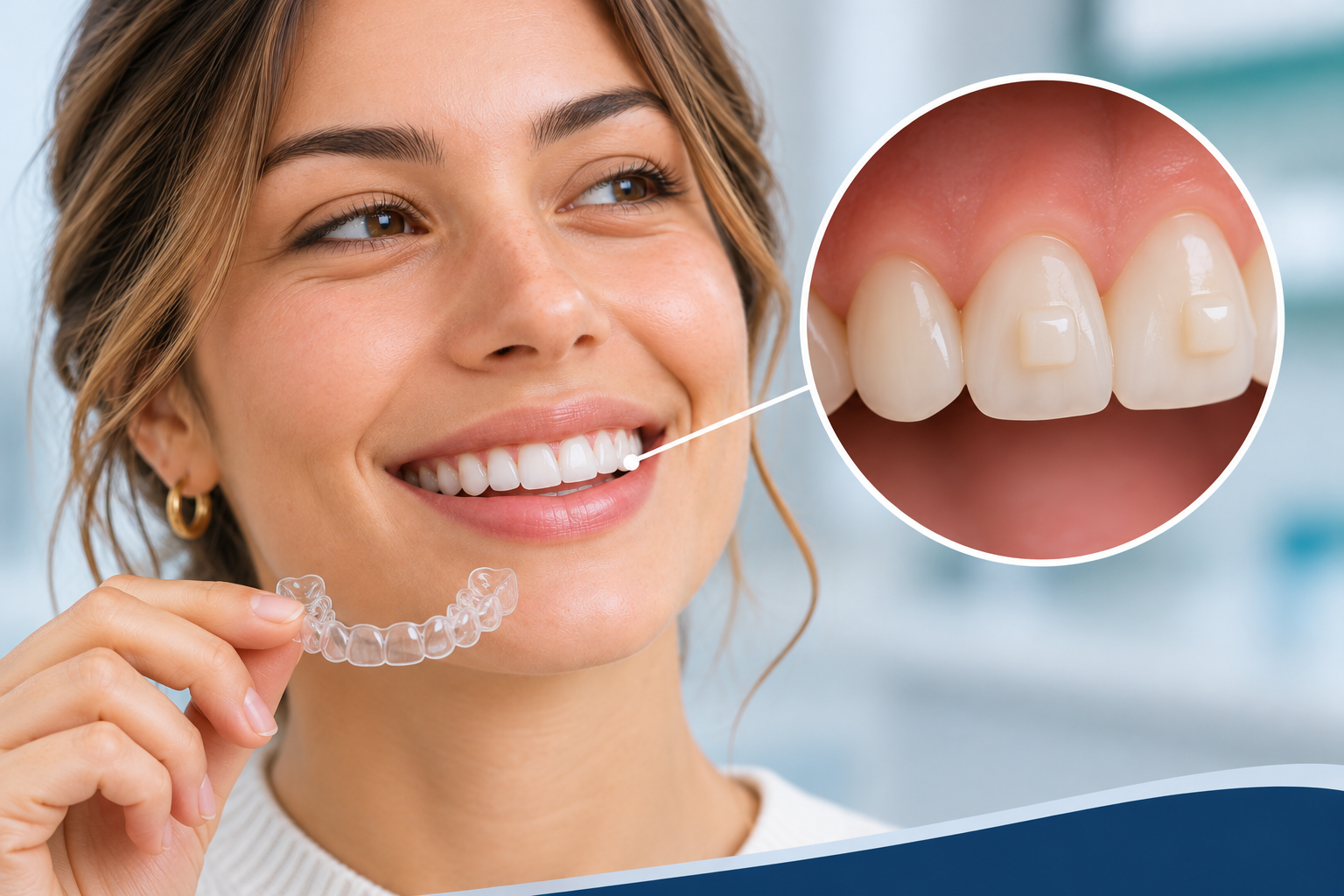
Invisalign is known for its clear, removable aligners, but some patients are surprised to learn that their treatment may also involve small, tooth-colored attachments. These tiny additions can help clear aligners move certain teeth more effectively. If you’re considering Invisalign, understanding what attachments do, whether they’re noticeable, and how they feel can help you prepare for treatment with confidence.
If you’ve been researching Invisalign, you may have seen pictures of small bumps on people’s teeth or heard the term “Invisalign buttons.” You might be wondering why these attachments are necessary when the aligners are already designed to straighten teeth.
The answer comes down to how teeth move. Some orthodontic movements require additional control and pressure, and Invisalign attachments can help the aligners apply those forces in a more targeted way.
At Park Ave Dental Group in Weehawken, NJ, patients considering Invisalign treatment can receive a personalized evaluation to determine whether clear aligners are appropriate for their smile.
This guide explains how Invisalign attachments work, why some patients need them, what to expect during placement, and how to care for them throughout treatment.
What Are Invisalign Attachments?
Invisalign attachments are small, tooth-colored shapes made from dental composite resin. They are temporarily bonded to specific teeth during clear aligner treatment.
These attachments are sometimes referred to as SmartForce attachments or Invisalign bumps. They are designed to give the aligner additional contact points so it can apply controlled pressure to teeth that need particular types of movement.
Unlike traditional metal braces, the attachments do not connect teeth with metal wires. Instead, the clear aligner fits around them, allowing the trays to help move teeth according to the planned treatment sequence.
Not every Invisalign patient needs attachments. Their use depends on the position of the teeth, the type of movement required, and the treatment plan developed by the dentist.
The Removable Trays
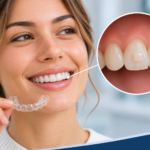
Custom-made transparent aligners fit over the teeth and apply controlled forces to gradually guide tooth movement.
The Tooth-Colored Grips
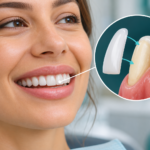
Small composite shapes are bonded to selected teeth, helping aligners achieve certain movements that may be more difficult without additional grip.
Why Do Some Invisalign Patients Need Attachments?
Teeth have different shapes, sizes, and positions. Moving a slightly tilted front tooth may require a different type of force than rotating a canine or adjusting the vertical position of another tooth.
Clear aligners can accomplish many types of movement, but certain movements benefit from attachments that help the tray engage the tooth more effectively.
Your dentist may recommend attachments when teeth need:
- Additional rotation
- Controlled tipping or repositioning
- Vertical movement
- More precise movement during alignment
- Extra support during certain bite corrections
- Better engagement between teeth and aligners
The number, size, shape, and position of the attachments are planned according to the individual case.
Some patients need only a few attachments, while others may need several across their upper and lower teeth. Having more attachments does not automatically mean treatment will be more difficult or less successful.
How Do Invisalign Attachments Actually Work?
Imagine trying to rotate a smooth, rounded object using only gentle pressure. Without something to grip, controlling the movement can be difficult.
Invisalign attachments work on a similar principle. They create small contact surfaces that allow the aligner to apply force in a more specific direction.
When your aligners are placed over the attachments, the shaped areas of the trays engage the composite surfaces. The aligners then guide the teeth according to the treatment plan.
Attachments do not move teeth on their own. They work together with the aligners and the planned sequence of tooth movement.
Are Invisalign Attachments Necessary?
Not for every patient. Some people can complete treatment without attachments, while others need them to help achieve specific tooth movements. Your dentist determines whether they’re appropriate based on your alignment and bite.
Are Invisalign Attachments Noticeable?
One of the main reasons people choose Invisalign is that the clear aligners are less noticeable than traditional metal braces. It’s reasonable to wonder whether attachments will change that appearance.
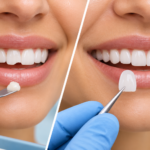
Invisalign attachments are generally made from tooth-colored composite material, so they can blend with natural enamel. However, they are not completely invisible.
Attachments on front teeth may be more noticeable than those located toward the back of the mouth. Their visibility can also depend on tooth shade, shape, size, placement, and lighting.
When the aligners are in place, the trays fit over the attachments. This can make them less conspicuous than conventional brackets, although some patients may still notice the small raised shapes.
If discretion is one of your biggest concerns, mention it during your consultation. Your provider can explain where attachments may be needed and what they are likely to look like.
Do Invisalign Attachments Hurt?
Attachment placement itself typically involves bonding composite material to the teeth rather than drilling into them. However, patients may experience temporary discomfort or pressure after the attachments are placed and the aligners begin engaging them.
This sensation is generally related to orthodontic tooth movement rather than the attachment material itself.
Some patients may also notice that attachments feel slightly rough against the cheeks or lips when the aligners are removed. This feeling often becomes less noticeable as they adjust, but irritation that persists should be discussed with the dentist.
Do not attempt to file, reshape, or remove an attachment at home.
If you experience severe pain, persistent irritation, swelling, or an aligner that does not fit correctly, contact your dental provider for an evaluation.
How Are Invisalign Attachments Placed?
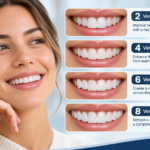
Attachment placement is usually completed during an office visit. The dentist or trained dental team uses a planned template to position the composite material on specific teeth.
Digital Treatment Planning
The dentist evaluates the planned tooth movements and determines which teeth may benefit from attachments. Their location and shape are incorporated into the treatment plan.
Preparing the Teeth
The surfaces of the selected teeth are cleaned and prepared so the tooth-colored composite material can bond appropriately.
Placing the Attachments
A custom template is used to position small amounts of composite resin on the planned teeth.
Hardening the Composite
A dental curing light is used to harden the material. The template is removed, and the dental team checks the attachments and removes excess material as needed.
Checking the Aligner Fit
The dentist checks how the trays fit over the attachments and explains how to insert, remove, and maintain the aligners correctly.
Your provider can explain how much appointment time to allow and whether attachments will be placed at the beginning of treatment or during a later stage.
Will Every Tooth Need an Attachment?
No. The number of attachments depends on your specific treatment plan.
Some patients may need attachments on only a few teeth. Others may require them on more teeth because of the types of movements involved.
It is also possible for attachment placement to vary between treatment stages. Your dental provider may add, replace, or remove particular attachments when the treatment plan calls for it.
Rather than focusing on how many attachments are needed, the more important question is what each attachment is intended to accomplish.
Considering Invisalign in Weehawken, NJ?
A personalized Invisalign consultation can help determine whether clear aligners are appropriate for your teeth, what your treatment may involve, and whether attachments will be part of your plan.
Request an Invisalign ConsultationInvisalign Attachments vs. Buttons: Are They the Same?
Patients sometimes use the words “attachments” and “buttons” interchangeably, but they can refer to different orthodontic features.
Standard attachments are generally tooth-colored composite shapes bonded to teeth to help the aligners control movement.
Buttons can also refer to separate attachment points used with orthodontic elastics. These may be designed differently and serve another purpose within the treatment plan.
| Feature | Primary Purpose |
|---|---|
| Clear Aligner | Applies planned forces to gradually move the teeth. |
| Composite Attachment | Helps the aligner grip selected teeth and control specific movements. |
| Orthodontic Button | May provide an attachment point for elastic bands when required. |
| Orthodontic Elastic | May help with certain upper- and lower-tooth relationships or bite corrections. |
Not everyone needs all of these features. Your dentist will explain which components are included in your treatment and why.
Can Invisalign Attachments Fall Off?
Yes. Although attachments are bonded to the teeth, they can occasionally loosen or detach during treatment.
This may happen when an attachment is exposed to excessive pressure, during difficult aligner removal, or if the bond fails.
If an attachment falls off, do not attempt to glue it back onto your tooth. Household adhesives are not appropriate for dental use.
Instead, contact your dental office. Your dentist can determine whether the attachment should be replaced promptly or whether the next scheduled visit is appropriate.
Do not assume a missing attachment has no effect on your treatment. Some attachments play an important role in controlling specific tooth movements.
How to Care for Your Teeth With Invisalign Attachments
Good oral hygiene is essential during Invisalign treatment, particularly because attachments create additional contours on the tooth surface where food and plaque may collect.
Keeping attachments clean also helps maintain their appearance and allows your dental team to monitor the teeth and gums throughout treatment.
Brush Carefully
Brush twice daily with fluoride toothpaste, paying attention to the areas around attachments and the gumline.
Floss Every Day
Continue cleaning between your teeth to remove plaque and food debris. Attachments do not replace normal oral hygiene.
Remove Aligners for Meals
Follow your provider’s instructions about removing trays for eating and drinking. Water is generally the appropriate drink while aligners are in place.
Clean Your Aligners
Use the cleaning method recommended by your provider and avoid exposing your aligners to excessive heat that could change their shape.
Before reinserting your aligners after meals, clean your teeth when possible. Food debris left beneath the trays may increase plaque buildup and cavity risk.
Can You Eat Normally With Invisalign Attachments?
Attachments remain bonded to your teeth when the aligners are removed, so you will still have the small raised shapes on your teeth while eating.
Most patients can continue eating a variety of foods, but they should be mindful of very hard or sticky items that could place excessive pressure on the attachments.
Do not use your teeth to open packages or bite into nonfood objects. These habits can damage natural teeth and dental restorations, as well as orthodontic attachments.
Your dentist may offer additional guidance based on the locations of your attachments and any other orthodontic features used during treatment.
Can Invisalign Attachments Stain?
The composite resin used for attachments may become discolored over time, particularly when exposed to common staining substances such as coffee, tea, tobacco, and certain foods.
This does not necessarily mean the attachments are damaged or that treatment is not working.
Maintaining good oral hygiene and following your provider’s guidance can help keep the attachments and surrounding teeth clean.
If you’re interested in whitening your teeth during Invisalign treatment, talk to your dentist first. Whitening around attachments can produce uneven shade changes because the bonded material covers portions of the tooth surface.
Do Attachments Make Invisalign Harder to Remove?
Some patients notice that their aligners feel more snug after attachments are placed. That snug fit can be part of how the aligners engage the teeth.
Removing the trays may require a little practice, particularly during the first few days.
Your dentist or dental team can demonstrate the recommended removal technique. Generally, it is important to use controlled, gentle movements rather than pulling forcefully from one area.
If you are having difficulty removing an aligner, contact your provider for guidance rather than attempting to bend or force the tray.
How Long Do Invisalign Attachments Stay On?
The amount of time attachments remain in place depends on the treatment plan.
Some attachments may be needed throughout active Invisalign treatment. Others may be removed or changed during a later stage when particular tooth movements have been completed.
Invisalign treatment length itself varies depending on crowding, spacing, bite correction, and how consistently the patient follows the recommended wear schedule.
Your dentist will explain your expected treatment sequence and when attachments may be removed.
If you are also researching overall treatment expenses, read Park Ave Dental Group’s guide on how much Invisalign costs in Weehawken, NJ.
Will Attachments Leave Marks When Removed?
When attachments are no longer needed, the dentist removes the bonded composite material and checks the tooth surface.
The goal is to remove the attachment carefully while preserving the underlying enamel. Your dentist may polish the surface as part of the removal process.
Because every patient’s enamel and bonding situation is different, you should not assume the removal process will be identical for everyone.
Attachments should always be removed professionally. Trying to scrape or pry them off at home can damage enamel or surrounding tissues.
What Happens After Invisalign Attachments Are Removed?
Removing attachments does not necessarily mean all orthodontic care is complete. Once the active tooth movements have been achieved, a retention plan is usually needed to help maintain the new alignment.
Retainers are important because teeth can gradually shift after orthodontic treatment if they are not held in their intended positions.
Your dentist can explain when to begin retainer wear, how often to use the retainers, and when they may need replacement.
For more information about long-term alignment changes, read Park Ave Dental Group’s article on what causes teeth to shift as an adult.
What Should You Ask Before Starting Invisalign?
Understanding the details of treatment can help you feel more comfortable with the process. During your Invisalign consultation, consider asking:
- Will I need attachments on my teeth?
- Where would the attachments be placed?
- How visible are they likely to be?
- What types of tooth movement will they help with?
- How long will I need to wear them?
- What should I do if an attachment falls off?
- How should I clean around them?
- Will my treatment require elastics or other features?
- What happens after the attachments are removed?
- What type of retainer will I need after treatment?
If you are deciding which type of provider to see, you can also review Park Ave Dental Group’s article on choosing a dentist or orthodontist for Invisalign.
What Matters Most?
Invisalign attachments are simply one part of a personalized treatment plan. Their number or visibility does not determine how successful treatment will be. Proper diagnosis, treatment planning, aligner wear, follow-up care, and retention all matter.
Final Thoughts: Invisalign Attachments Help Support Precise Tooth Movement
Invisalign attachments are small, tooth-colored features that can help clear aligners move certain teeth more effectively. Although they may be noticeable at close range and may take a little time to get used to, they serve a specific purpose in treatment planning.
Not every patient needs attachments, and the number required depends on the teeth being treated and the movements involved.
If you’re considering Invisalign, a consultation can help you understand whether attachments may be necessary, how the treatment works, and what to expect during the process.
At Park Ave Dental Group in Weehawken, NJ, patients can explore Invisalign treatment options based on their dental health, alignment concerns, and smile goals.
Ready to Explore Invisalign?
Find out whether clear aligners may be right for your smile. Schedule an Invisalign consultation with Park Ave Dental Group to discuss your alignment concerns, treatment options, and expected next steps.
Schedule an Invisalign ConsultationFrequently Asked Questions About Invisalign Attachments
What are Invisalign attachments?
Invisalign attachments are small, tooth-colored composite shapes bonded to selected teeth. They help the clear aligners apply more targeted pressure during certain orthodontic movements.
Does everyone need Invisalign attachments?
No. Some patients can complete Invisalign treatment without attachments, while others need them to help control specific tooth movements. Your dentist determines whether they’re necessary.
Do Invisalign attachments hurt?
Attachment placement is generally straightforward, but patients may experience temporary pressure or discomfort as their teeth adjust to the aligners. Persistent or severe discomfort should be evaluated by the provider.
Are Invisalign attachments visible?
They are tooth-colored and designed to be relatively discreet, but they are not completely invisible. Visibility depends on the location, size, shape, and natural shade of your teeth.
Can Invisalign attachments fall off?
Yes. Attachments can occasionally loosen or fall off. Contact your dental provider if this happens so they can determine whether a replacement is needed.
Can I eat with Invisalign attachments?
Yes. The attachments remain bonded to your teeth when the aligners are removed for meals. Avoid using your teeth to bite very hard objects and follow your dentist’s dietary recommendations.
Do attachments make Invisalign less clear?
Attachments may make the aligner system slightly more noticeable because they create small raised areas beneath the trays. However, the attachments are usually made from tooth-colored composite material.
Do Invisalign attachments damage enamel?
Attachments are designed to bond temporarily to teeth and are removed professionally. Appropriate placement, maintenance, and removal are important for protecting the enamel.
How long do Invisalign attachments stay on?
The duration depends on the planned tooth movements. Some attachments remain during most of active treatment, while others may be changed or removed at different stages.
Can I whiten my teeth with attachments on?
Ask your dentist before whitening during Invisalign treatment. Because attachments cover portions of the tooth surface, whitening may produce uneven color changes.
Are Invisalign attachments and buttons the same?
The terms are sometimes used interchangeably, but orthodontic buttons can also refer to features used with elastic bands. Your dentist can explain which components are included in your treatment.
What happens when attachments are removed?
Your dentist removes the composite material and checks the tooth surfaces. When active orthodontic treatment is complete, retainers are usually recommended to help maintain the alignment.