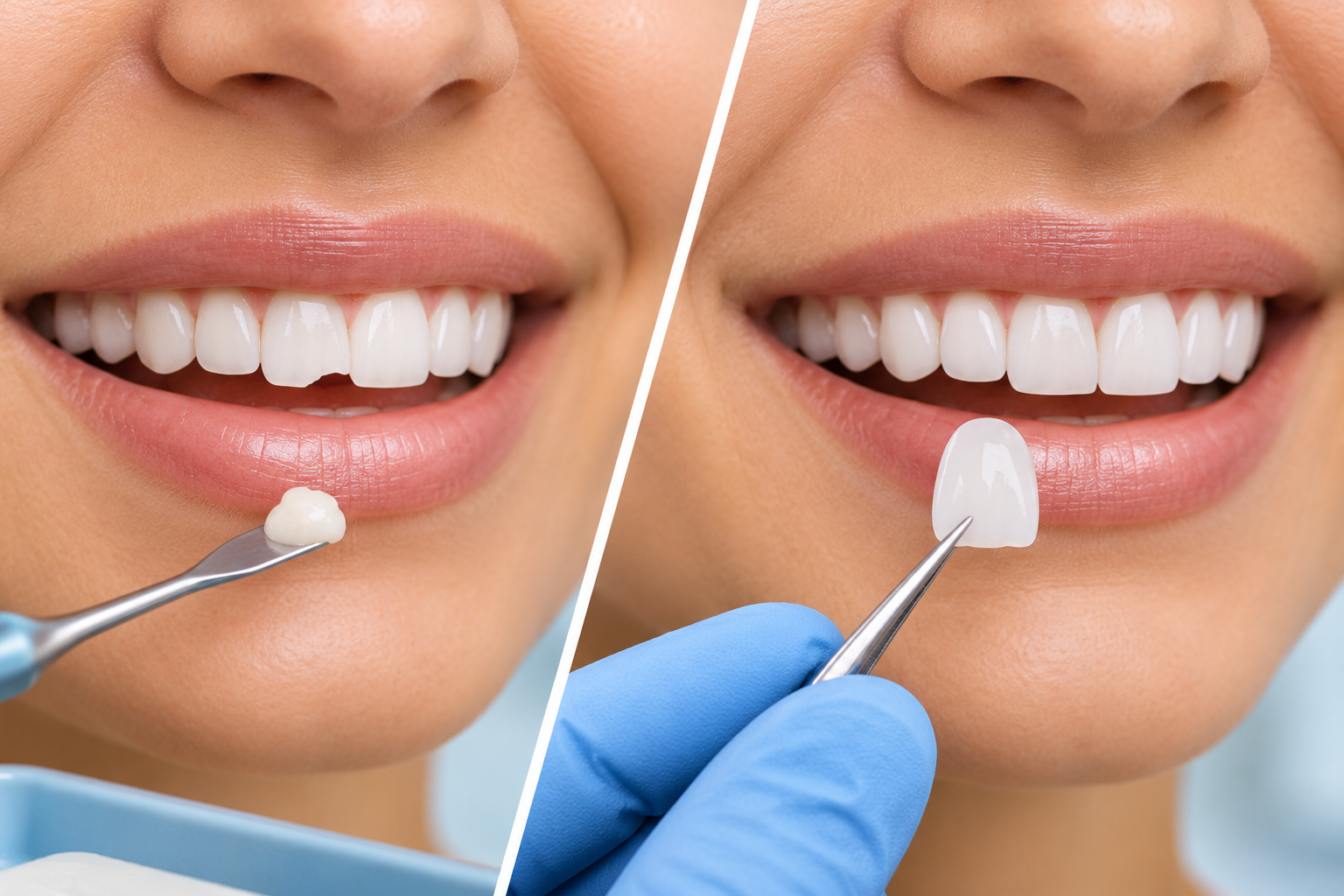
Have a chipped front tooth, a small gap, or uneven edges that bother you when you smile? Porcelain veneers and dental bonding are two cosmetic treatments that may help. But they differ in cost, durability, appearance, tooth preparation, and long-term maintenance.
Choosing between porcelain veneers and dental bonding is not always straightforward. Both treatments can improve the appearance of teeth, but they are designed for different situations. Dental bonding may be ideal for correcting a small cosmetic flaw with minimal tooth preparation, while veneers may offer a more comprehensive change in color, shape, and smile symmetry.
At Park Ave Dental Group in Weehawken, NJ, cosmetic treatment planning begins with understanding your smile goals and evaluating your teeth, gums, and bite. This guide explains the differences between veneers and bonding so you can discuss your options with greater confidence.
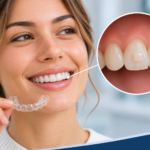
Dental Bonding
Tooth-colored composite resin can repair small chips, reshape edges, and reduce minor gaps. Often completed in one visit, depending on the case.
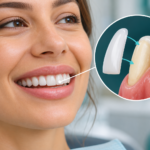
Porcelain Veneers
Custom-made porcelain shells cover the front surfaces of teeth to improve color, shape, proportions, and the overall appearance of a smile.
What Is Dental Bonding?
Dental bonding is a cosmetic procedure that uses a tooth-colored composite resin to change or repair the visible surface of a tooth. The dentist selects a shade that blends with your natural enamel, shapes the material, and hardens it using a curing light.
Bonding is frequently used for small chips, minor gaps, short or uneven teeth, and localized cosmetic concerns. Because the material can often be applied directly to the tooth, treatment may require little or no removal of healthy enamel.
One of bonding’s biggest advantages is that it can be a practical choice for a single tooth that needs modest improvement. For example, if the corner of a front tooth chips while eating, bonding may be able to restore its original contour without requiring a complete porcelain veneer.
Learn more about the treatment on Park Ave Dental Group’s dental bonding service page.
Common Reasons Patients Choose Bonding
- Repairing a small chip in a front tooth
- Making a slightly short tooth appear more even
- Reducing the appearance of a small space between teeth
- Improving a worn or irregular tooth edge
- Concealing a small area of discoloration
- Making a subtle cosmetic improvement without a larger smile makeover
What Are Porcelain Veneers?
Porcelain veneers are thin, custom-made restorations bonded to the front surfaces of teeth. They are designed to improve tooth appearance, particularly when a patient wants to change several cosmetic characteristics at once.
Unlike bonding that is typically sculpted directly onto a tooth, porcelain veneers are generally fabricated after a dentist evaluates the smile, prepares the teeth when necessary, and takes impressions or digital scans.
Veneers can improve the visible color, shape, size, and proportion of teeth. They are especially useful when multiple front teeth need coordinated cosmetic improvements or when discoloration cannot be adequately corrected through whitening.
You can explore the treatment in more detail on the practice’s porcelain veneers service page.
Common Reasons Patients Consider Veneers
- Several front teeth have uneven shapes or proportions
- Natural teeth are deeply stained or discolored
- Multiple teeth have chipped or worn edges
- A patient wants a coordinated smile design
- Existing cosmetic improvements no longer blend naturally
- Tooth shape and color need to change together
Porcelain Veneers vs. Dental Bonding: Key Differences
| Feature | Dental Bonding | Porcelain Veneers |
|---|---|---|
| Material | Composite resin | Custom-made dental porcelain |
| Common Uses | Small chips, gaps, and minor reshaping | Color, shape, proportion, and multiple cosmetic concerns |
| Appointments | Often one visit | Commonly multiple visits |
| Tooth Preparation | Often minimal | Usually requires some enamel removal |
| Stain Resistance | More susceptible to staining | Generally more stain-resistant |
| Repair | Often easier to repair or adjust | May require replacement if significantly damaged |
| Initial Cost | Usually lower | Usually higher |
Which Is Better for a Chipped Front Tooth?
A chipped front tooth is one of the most common reasons patients consider bonding or veneers. The right option depends on how much of the tooth is damaged, where the chip is located, and whether the tooth is otherwise healthy.
For a small chip affecting the corner or edge of a tooth, bonding may be a conservative option. Composite resin can be shaped to match the surrounding enamel and restore the appearance of the missing area.
For larger cosmetic changes involving several teeth, porcelain veneers may be worth considering. Veneers can create a coordinated appearance when the goal involves changing tooth shapes, proportions, or color across the smile.
However, not every chipped tooth should be treated cosmetically. If the tooth is deeply cracked, painful, weakened, or affected by extensive decay, restorative treatment may be more appropriate.
Important: A chipped tooth that causes pain, sensitivity, or difficulty biting should be examined before cosmetic treatment. Depending on the damage, a filling, crown, or another restoration may be needed.
Which Treatment Is Better for Gaps Between Teeth?
Small spaces between front teeth can sometimes be improved using either bonding or veneers. With bonding, the dentist adds composite resin to the sides of selected teeth to reduce the visible gap.
Veneers can also change the apparent width and shape of teeth. This may be useful if the teeth are unusually narrow or if the patient wants additional cosmetic improvements at the same time.
Neither option is automatically appropriate for every gap. If teeth are widely spaced, significantly misaligned, or affecting the bite, orthodontic treatment may be a better way to address the underlying tooth position.
For more information about the difference between cosmetic reshaping and actual tooth movement, read Park Ave Dental Group’s article on veneers for crooked teeth and when Invisalign may be better.
Which Option Looks More Natural?
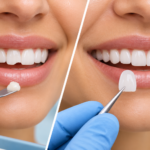
Both treatments can produce natural-looking results when carefully planned. The difference is often in how the materials are shaped, polished, and matched to nearby teeth.
Composite resin can be blended with the surrounding enamel for subtle repairs. This makes dental bonding a useful option when only a small part of one tooth needs improvement.
Porcelain veneers can be customized to reproduce features such as translucency, surface texture, and subtle color variation. These details can be especially important when treating several highly visible teeth.
Natural-looking cosmetic dentistry is not necessarily about making teeth as white or perfectly uniform as possible. Tooth proportions, facial features, gum contours, and how the teeth reflect light all contribute to a balanced smile.
Park Ave Dental Group discusses these design considerations in its article about custom lab veneers.
Have a Chipped, Gapped, or Uneven Tooth?
Find out whether dental bonding, porcelain veneers, or another cosmetic option may be suitable for your smile. A consultation can help you understand the differences before making a decision.
Request a Cosmetic ConsultationHow Long Do Veneers and Dental Bonding Last?
Durability is an important consideration when choosing a cosmetic treatment. Both bonding and veneers require proper care, but the materials do not wear in exactly the same way.
Composite bonding may be more susceptible to chipping, discoloration, and surface wear over time. It can often be polished, repaired, or refreshed if minor damage develops.
Porcelain veneers are generally more resistant to staining and surface wear, and many can remain functional for years with good maintenance. However, veneers can still chip, crack, loosen, or eventually require replacement.
There is no guaranteed lifespan for either treatment. Longevity depends on the condition of the teeth, material, bite, grinding habits, oral hygiene, and regular dental care.
Do Veneers Require More Tooth Preparation Than Bonding?
One of the most meaningful differences between porcelain veneers and composite bonding is how much natural tooth structure may need to be altered.
Bonding is frequently a conservative treatment. For minor repairs, the dentist may be able to add resin without removing much, if any, healthy tooth enamel.
Traditional porcelain veneers usually require a small amount of enamel to be removed so the restoration can fit properly without looking bulky. Because enamel does not grow back, this is an important part of the decision.
Even minimal-preparation veneers may involve some enamel modification, and they are not suitable for everyone. The amount of preparation depends on tooth position, enamel thickness, bite, and the cosmetic result being planned.
Preserving Enamel
Bonding may allow minor cosmetic improvements while retaining more natural tooth structure.
Long-Term Commitment
Traditional veneers involve tooth preparation, so patients should understand future maintenance and replacement needs before treatment.
Which Treatment Costs More?
Dental bonding typically has a lower initial cost than custom porcelain veneers. This is partly because bonding uses composite material that is often shaped directly on the tooth, while veneers usually involve additional planning, custom fabrication, and laboratory work.
However, the final price depends on the number of teeth involved, the complexity of the treatment, materials, and other factors.
Bonding may be more economical for a small repair, but it could require more frequent maintenance or repair over time. Veneers may involve a higher initial investment, but they offer different cosmetic and material characteristics.
Patients should compare the treatment’s purpose, expected maintenance, and overall cost rather than selecting an option based only on the initial price.
Purely cosmetic treatment may not be covered by insurance. Ask the dental team to review your benefits and provide a personalized estimate before proceeding.
How Does the Treatment Process Compare?
The experience can differ substantially between bonding and porcelain veneers. Understanding the steps ahead of time can help patients plan appointments and ask informed questions.
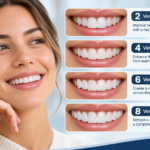
Cosmetic Consultation
Your dentist examines your teeth, gums, and bite and discusses what you want to change. The goal is to determine which treatment can address your concerns while protecting oral health.
Planning and Shade Selection
The dentist considers tooth color, proportions, and surrounding enamel. Veneers may involve photographs, scans, or detailed smile design, while smaller bonding repairs may require less extensive planning.
Tooth Preparation and Restoration
Bonding usually involves placing and shaping composite resin directly on the tooth. Veneers generally involve preparing the tooth, taking impressions or scans, and placing custom restorations when ready.
Final Fit and Maintenance Guidance
Your dentist checks the appearance and bite and explains how to care for the completed treatment, including recommended cleanings and protection against excessive force.
What If You Grind or Clench Your Teeth?
Grinding or clenching can influence the success of cosmetic restorations. Repeated excessive force may contribute to chipping, wear, or other damage to bonding and porcelain veneers.
If you have a history of grinding, your dentist should evaluate your bite and the condition of your teeth before recommending cosmetic treatment.
In some cases, a nightguard or another approach may be recommended to help protect restorations. Significant bite problems may need attention before cosmetic dentistry can be planned safely.
How to Care for Veneers and Bonded Teeth
Regardless of which treatment you choose, maintaining healthy teeth and gums is essential. Cosmetic restorations do not eliminate the possibility of cavities, gum inflammation, or problems around the restoration margins.
Helpful Long-Term Care Habits
- Brush twice daily with fluoride toothpaste.
- Clean between your teeth every day.
- Keep routine dental exams and cleanings.
- Avoid chewing ice, pens, or other hard objects.
- Do not use your teeth to open packages.
- Discuss grinding or clenching with your dentist.
- Be mindful of stain-causing drinks, particularly with bonding.
- Contact your dentist if a restoration chips, loosens, or feels different when biting.
These habits can help support the health of your natural teeth as well as the appearance and function of cosmetic restorations.
Can You Combine Dental Bonding and Veneers?
Yes. Some patients may benefit from a treatment plan that uses different techniques for different teeth. For example, a dentist may recommend veneers for several highly visible front teeth while using bonding to repair a smaller imperfection elsewhere.
Other patients may benefit from whitening before shade matching or clear aligner treatment before making final cosmetic changes.
The most appropriate sequence depends on your individual smile, not a standard package. A personalized plan can help prioritize natural-looking results while avoiding unnecessary treatment.
Which Is Right for Your Smile?
The best option depends on how much you want to change and the condition of your teeth. A small chip or localized imperfection may be well suited to bonding. A broader change in tooth color, shape, and proportion may make porcelain veneers worth considering.
Before committing, it is helpful to ask whether the treatment is conservative, how much enamel preparation is required, how the restoration will be maintained, and what alternatives are available.
Explore Your Cosmetic Dentistry Options in Weehawken
Park Ave Dental Group can evaluate your smile and help you compare porcelain veneers, dental bonding, and other treatment options based on your goals, oral health, and budget.
Schedule an AppointmentFinal Thoughts: Veneers or Bonding?
Porcelain veneers and dental bonding can both improve chipped, gapped, discolored, or uneven teeth, but they offer different benefits. Bonding is often a conservative option for small repairs, while porcelain veneers may be more suitable for comprehensive cosmetic changes involving several teeth.
Neither treatment is universally better. Your dentist should consider tooth structure, gum health, bite, long-term maintenance, appearance, and cost before recommending a procedure.
If you are considering cosmetic dental treatment, contact Park Ave Dental Group in Weehawken, NJ to discuss which approach may fit your smile.
Frequently Asked Questions: Veneers vs. Dental Bonding
Is dental bonding better than veneers for a chipped tooth?
Dental bonding may be a good option for small chips because composite resin can repair the damaged area with minimal preparation. Veneers may be considered for larger cosmetic changes involving tooth shape, color, or several teeth.
Are porcelain veneers stronger than composite bonding?
Porcelain veneers generally resist staining and surface wear better than composite bonding. However, either restoration can chip or break under excessive pressure, and the best choice depends on the tooth and bite.
Does dental bonding damage your teeth?
Bonding often requires little or no removal of healthy enamel for minor cosmetic repairs. Some preparation may still be needed, depending on the tooth and treatment.
Do veneers require shaving down your teeth?
Traditional porcelain veneers usually require a small amount of enamel removal to create space for the restoration. The amount depends on the tooth position and cosmetic plan. Your dentist can explain what preparation would be required.
Which lasts longer, veneers or dental bonding?
Porcelain veneers generally have a longer expected service life than composite bonding, but neither option lasts forever. Grinding, bite pressure, oral hygiene, and maintenance can affect longevity.
Can bonding close a gap between front teeth?
Bonding may help reduce the appearance of a small gap by adding tooth-colored resin to selected teeth. Larger gaps or alignment issues may require orthodontic treatment.
Will dental bonding stain over time?
Composite bonding can stain or discolor over time, especially with frequent exposure to coffee, tea, tobacco, or other stain-causing substances. Professional polishing or repair may sometimes help.
Are veneers more expensive than bonding?
Porcelain veneers usually cost more initially because they involve custom fabrication and additional planning. Your total cost depends on the number of teeth and complexity of treatment.
Can I replace dental bonding with veneers later?
Sometimes. A dentist can evaluate the tooth, remaining enamel, bite, and previous bonding to determine whether veneers are appropriate. Changing treatments should be planned carefully.
How do I know if I need veneers or bonding?
The best way to decide is through a cosmetic dental consultation. Your dentist can examine your teeth, discuss your goals, and explain the advantages, limitations, and maintenance requirements of each option.