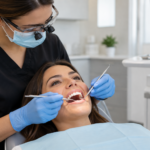
When it comes to straightening your teeth, two main options dominate the conversation: traditional braces and Invisalign clear aligners. Both can deliver beautifully straight smiles — but the right choice depends on your lifestyle, goals, and dental needs.
If you’ve been researching “braces vs Invisalign” and wondering which treatment is best for you, this guide breaks down the pros, cons, and key differences between these orthodontic options. By the end, you’ll have the clarity to make an informed decision that fits both your smile and your schedule.
Understanding How Each Option Works
Before comparing pros and cons, it’s helpful to understand how braces and Invisalign work to move teeth into alignment.
Traditional Braces
Braces consist of metal or ceramic brackets attached to each tooth, connected by wires and elastic bands. Over time, the dentist or orthodontist tightens the wires to apply gentle pressure, gradually moving your teeth into their desired positions.
Braces have been used for decades and are effective for treating mild to severe alignment issues, including bite problems, overcrowding, and significant gaps.
Invisalign
Invisalign is a modern alternative that uses clear, removable trays custom-designed for your teeth. Each set of aligners is worn for about 1–2 weeks, gently shifting your teeth until your smile reaches its ideal alignment.
Unlike braces, Invisalign aligners are nearly invisible and can be removed for eating, brushing, and flossing—making them a favorite among adults and image-conscious teens.
You can learn more about this treatment on our Orthodontics page.
Pros and Cons of Braces vs Invisalign
Both braces and Invisalign offer unique benefits and potential drawbacks. Here’s how they compare across key categories:
| Feature | Braces | Invisalign |
|---|---|---|
| Visibility | Highly visible (metal or ceramic brackets) | Nearly invisible trays |
| Comfort | May cause irritation from wires and brackets | Smooth plastic trays, minimal irritation |
| Removability | Fixed — can’t be removed until treatment ends | Removable during meals and brushing |
| Oral Hygiene | More challenging to clean around wires | Easier — remove trays to brush and floss |
| Diet Restrictions | Avoid sticky, hard, or chewy foods | No food restrictions (remove trays when eating) |
| Treatment Control | Always working (24/7) | Depends on patient compliance (20–22 hrs/day) |
| Complexity Handling | Great for severe misalignments | Best for mild to moderate cases |
| Cost Range | $3,000 – $7,000 | $3,500 – $8,000 |
| Follow-Up Visits | Every 4–6 weeks for adjustments | Every 6–8 weeks for new aligners |
The Pros of Braces
1. Suitable for All Cases
Braces can correct even the most complex alignment and bite issues, including rotated teeth, vertical movement, and severe crowding.
2. Consistent Results
Because braces are fixed in place, you don’t have to remember to wear them — meaning they’re always working to move your teeth.
3. Multiple Material Options
You can choose between traditional metal braces, tooth-colored ceramic braces, or even lingual braces placed behind the teeth for a more discreet look.
The Cons of Braces
1. Appearance
Metal braces are noticeable, which can be a concern for adults or professionals who prefer a more discreet treatment.
2. Dietary Restrictions
You’ll need to avoid certain foods like popcorn, sticky candies, or crunchy snacks that could damage brackets or wires.
3. Cleaning Challenges
Braces can trap food and plaque, making brushing and flossing more difficult. Regular cleanings and good oral hygiene habits are essential.
The Pros of Invisalign
1. Aesthetics
Invisalign aligners are clear and virtually invisible, allowing you to straighten your teeth discreetly.
2. Comfort
No wires, brackets, or tightening. The smooth plastic aligners are designed for comfort and reduce irritation to your cheeks and gums.
3. Convenience
You can remove Invisalign for eating, brushing, or special occasions—perfect for busy adults or teens who don’t want treatment to disrupt their routine.
4. Easy Oral Hygiene
Simply remove the aligners to brush and floss as usual, helping maintain optimal oral health throughout treatment.
The Cons of Invisalign
1. Discipline Required
For best results, Invisalign trays must be worn 20–22 hours per day. Skipping wear time can delay progress or affect final results.
2. Limited for Complex Cases
While technology has advanced, braces still have the upper hand for more severe alignment or bite corrections.
3. Cost and Replacement
If you lose or damage a set of aligners, replacements can add to the total cost and extend treatment time.
Treatment Duration: How Long Does Each Take?
Treatment time varies by case complexity, but here’s a general comparison:
| Treatment Type | Average Duration |
|---|---|
| Braces | 18–36 months |
| Invisalign | 12–18 months |
Patients with minor misalignments may finish Invisalign in as little as 6 months, while more complex cases with braces may take longer.
Cost Comparison: Braces vs Invisalign
Costs depend on your specific needs, dentist expertise, and region, but here’s a general idea:
- Traditional Braces: $3,000–$7,000
- Invisalign: $3,500–$8,000
While Invisalign may cost slightly more upfront, many patients find the convenience and aesthetics worth the investment.
Most dental insurance plans cover orthodontic treatment regardless of method, though coverage amounts vary. Flexible financing and monthly payment plans are often available—ask our team for details.
How to Choose Between Braces and Invisalign
When deciding between braces and Invisalign, consider these questions:
- How important is appearance during treatment?
- Will you be disciplined enough to wear aligners consistently?
- How complex are your orthodontic issues?
- What’s your budget and timeline for results?
During your consultation at Park Ave Dental Group, our team will evaluate your smile, discuss your goals, and recommend the best treatment plan to achieve the results you want.
Life After Treatment: Retainers and Maintenance
Once your teeth are perfectly aligned, a retainer is essential to keep them in place. Both braces and Invisalign patients will need to wear a retainer (often nightly) to maintain results.
Neglecting retainers can lead to relapse — when teeth gradually shift back to their original positions.
Our team provides guidance and long-term follow-up care to ensure your smile stays straight and healthy.
FAQ
1. Which works faster — braces or Invisalign?
For mild to moderate cases, Invisalign can work slightly faster. For severe cases, braces may achieve better long-term stability.
2. Are braces cheaper than Invisalign?
Braces can be slightly less expensive, but pricing overlaps depending on complexity and region.
3. Can I switch from braces to Invisalign?
Yes. Some patients start with braces and finish with Invisalign for refinement, depending on the dentist’s recommendation.
4. Does Invisalign hurt less than braces?
Yes. Invisalign generally causes less discomfort since there are no metal brackets or wires.
5. How do I keep Invisalign clean?
Rinse aligners with lukewarm water and brush them gently with a soft toothbrush daily. Avoid hot water, which can warp the plastic.
Final Thoughts
Both braces and Invisalign are proven methods for achieving a straighter, healthier smile. The right choice depends on your unique goals, lifestyle, and oral health needs.
If you value discretion and flexibility, Invisalign may be your best fit. If you prefer predictability and hands-off treatment, braces could be ideal.
At the end of the day, the best orthodontic treatment is one tailored to you.
Schedule a consultation with Park Ave Dental Group to discover which option will help you achieve the confident smile you’ve always wanted.
Sources
- American Association of Orthodontists – Treatment Options: https://www.aaoinfo.org/treatment/braces-vs-invisalign
- Invisalign Official Site – How Invisalign Works: https://www.invisalign.com/how-invisalign-works
- Mayo Clinic – Orthodontic Treatment Overview: https://www.mayoclinic.org/tests-procedures/braces/about/pac-20384692