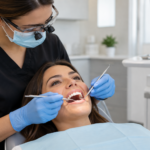
Dry mouth may seem like a small annoyance, but it can have a major impact on your teeth, gums, breath, and cavity risk. Saliva helps protect your mouth every day, and when you do not have enough of it, dental problems can develop more easily.
If your mouth often feels sticky, dry, irritated, or uncomfortable, it may be more than simple thirst. Dry mouth can happen for many reasons, including medications, dehydration, mouth breathing, medical conditions, stress, or changes in saliva production.
At Park Ave Dental Group, patients in Weehawken, NJ can receive personalized guidance for dry mouth, cavities, tooth sensitivity, bad breath, and other oral health concerns. Since dry mouth can increase the risk of tooth decay, it is important to understand what causes it and when to bring it up with your dentist.
Saliva Protects Teeth
Saliva helps wash away food particles, neutralize acids, support enamel, and keep the mouth more comfortable throughout the day.
Dry Mouth Raises Risk
When saliva is reduced, bacteria, acids, and food debris may stay on teeth longer, which can increase the risk of cavities and gum irritation.
What Is Dry Mouth?
Dry mouth is a condition where the mouth does not feel moist enough. Some patients notice it all day, while others experience it mostly at night, in the morning, after taking certain medications, or during stressful periods.
The clinical term for dry mouth is xerostomia. It may happen when the salivary glands do not make enough saliva or when saliva quality changes. Some patients feel dry even if saliva is still present, while others may notice obvious changes in how much saliva they produce.
Dry mouth can affect comfort, taste, swallowing, speaking, denture comfort, breath freshness, gum health, and tooth decay risk. Because the symptoms can overlap with other dental issues, a dental evaluation can help identify what may be contributing to the problem.
Why Saliva Matters for Your Teeth
Saliva does much more than keep your mouth wet. It is part of your natural defense system against cavities and gum irritation.
Saliva helps:
- Rinse away food particles
- Neutralize acids after eating or drinking
- Support enamel remineralization
- Make chewing and swallowing easier
- Help protect soft tissues from irritation
- Reduce dry, sticky mouth feelings
- Support a more balanced oral environment
When saliva is reduced, acids and bacteria can stay in contact with teeth longer. Over time, this may make cavities, enamel wear, sensitivity, and bad breath more likely.
Park Ave Dental Group discusses cavity prevention in its article on 5 things to know about cavities, including why early prevention is easier than waiting until decay becomes more serious.
Simple Rule of Thumb
A healthy mouth needs moisture. If your mouth feels dry often, your teeth may be losing one of their most important natural defenses.
How Dry Mouth Can Lead to Cavities
Cavities form when bacteria in the mouth produce acids that weaken tooth enamel. Saliva helps reduce that acid exposure by rinsing the mouth and supporting the minerals that help protect enamel.
When your mouth is dry, the protective process may not work as well. Food particles may linger longer, acids may remain on the teeth, and plaque may become harder to control.
Dry mouth may increase cavity risk because:
- Food debris is not rinsed away as easily
- Acids stay on the enamel longer
- Plaque may build up faster
- Tooth roots may be more vulnerable if gums have receded
- Frequent sipping on sugary drinks to relieve dryness can add risk
- Nighttime dry mouth can leave teeth exposed for hours
This is why patients with frequent dry mouth may need more focused preventive care. A dentist can check for early decay, gum recession, enamel wear, and signs that dry mouth is affecting the teeth.
Common Signs of Dry Mouth
Dry mouth does not feel the same for every patient. Some people notice obvious dryness, while others first notice bad breath, sticky saliva, burning sensations, or more frequent cavities.
Common Symptoms
- Sticky or dry feeling in the mouth
- Frequent thirst
- Dry lips or cracked corners of the mouth
- Burning or irritated tongue
- Bad breath
- Changes in taste
Dental Warning Signs
- More frequent cavities
- Tooth sensitivity
- Gum irritation
- Food sticking to teeth
- Difficulty wearing dentures
- New decay near the gumline
If you notice these symptoms regularly, mention them during your next dental visit. Dry mouth is common, but persistent symptoms should be evaluated.
What Causes Dry Mouth?
Dry mouth can have many causes. Sometimes the reason is temporary, such as dehydration or sleeping with your mouth open. Other times, it may be related to medications, medical conditions, or changes in salivary gland function.
Common dry mouth triggers include:
- Dehydration
- Mouth breathing
- Snoring or sleeping with the mouth open
- Stress or anxiety
- Certain medications
- Tobacco or vaping
- Alcohol-containing mouth rinses
- Medical conditions that affect saliva
- Head and neck radiation treatment
- Frequent caffeine or alcohol intake
Medications are one of the most common reasons people experience dry mouth. Many prescriptions and over-the-counter medications can contribute to dryness, including some medications used for allergies, blood pressure, mood, sleep, pain, and other conditions.
Important note: Do not stop or change a medication without speaking to the prescribing provider. If you suspect a medication is causing dry mouth, talk with your physician and dentist about safe next steps.
Dry Mouth at Night: Why It Matters
Many patients notice dry mouth most at night or when they wake up in the morning. This can happen because saliva flow naturally slows during sleep. If you also breathe through your mouth, snore, use certain medications, or sleep with nasal congestion, dryness may feel worse.
Nighttime dry mouth matters because your teeth may sit in a drier environment for several hours. If plaque, sugar, or acid is present before bed, reduced saliva can make it harder for the mouth to recover overnight.
If you frequently wake up with a dry mouth, bad breath, sore throat, or sticky saliva, it may be helpful to discuss it with your dentist. Your dental team can check for enamel wear, cavities, gum inflammation, or other signs that dry mouth is affecting your oral health.
Dry Mouth and Bad Breath
Dry mouth can also contribute to bad breath. When saliva is reduced, bacteria and food particles may stay in the mouth longer. This can create odor and leave the mouth feeling less fresh even after brushing.
If bad breath is related to dry mouth, mints or mouthwash may only provide temporary relief. Some products may even worsen dryness if they contain alcohol or sugar.
A better approach is to identify the cause of dry mouth, improve hydration, maintain regular cleanings, and use products your dentist recommends for saliva support and cavity prevention.
How a Dentist Can Help With Dry Mouth
Your dentist can help determine whether dry mouth is affecting your teeth and gums. During a visit, the dental team may ask about your symptoms, medical history, medications, diet, and home care routine.
A dental evaluation may include:
Cavity and Enamel Check
Your dentist can look for early signs of decay, enamel weakening, gumline cavities, and sensitivity that may be related to dry mouth.
Gum Health Evaluation
Dry mouth can contribute to irritation and plaque buildup. Your dentist or hygienist can check for bleeding, inflammation, recession, or gum disease risk.
Medication and Habit Review
Your dental team may review possible dry mouth triggers, including medications, mouth breathing, diet, caffeine, tobacco, and oral hygiene products.
Prevention Plan
Your dentist may recommend fluoride, special rinses, saliva substitutes, more frequent cleanings, or changes to your home care routine.
If you are overdue for an exam, Park Ave Dental Group’s guide on what to expect during your first dental visit explains what happens during a dental checkup and consultation.
Dealing With Dry Mouth or Frequent Cavities?
Park Ave Dental Group can evaluate your teeth, gums, saliva-related symptoms, and cavity risk to help you build a more personalized prevention plan.
Request an AppointmentDry Mouth and Tooth Sensitivity
Dry mouth may also make tooth sensitivity more noticeable. When the mouth is dry, the teeth may feel more vulnerable to temperature changes, acidic foods, or sweet drinks.
Sensitivity can also be caused by gum recession, enamel wear, cavities, cracked teeth, whitening products, or grinding. Because there are many possible causes, ongoing sensitivity should be evaluated by a dentist.
If sensitivity comes with sudden pain, swelling, or pain when biting, it may be more urgent. Park Ave Dental Group’s article on what to do about sudden tooth pain explains symptoms that should not be ignored.
Foods and Drinks That Can Make Dry Mouth Worse
Diet can play a role in dry mouth and cavity risk. Some foods and drinks can dry the mouth, increase acid exposure, or add sugar that cavity-causing bacteria feed on.
If you have dry mouth, be mindful of:
- Sugary drinks
- Sticky candy
- Frequent snacks
- Acidic drinks
- Alcohol
- Excessive caffeine
- Very salty foods
- Dry crackers or foods that stick to teeth
You do not necessarily need to eliminate every favorite food or drink, but habits matter. Sipping sugary or acidic drinks throughout the day can be especially hard on teeth. Water is usually the best choice for dry mouth and cavity prevention.
For more guidance, read Park Ave Dental Group’s article on foods and drinks that are hurting your teeth.
What You Can Do at Home
Home care can make a big difference if you experience dry mouth. The right steps depend on the cause, but several habits may help protect your teeth and improve comfort.
| Helpful Habit | Why It May Help |
|---|---|
| Drink water often | Water helps rinse the mouth and supports moisture throughout the day. |
| Use fluoride toothpaste | Fluoride helps support enamel and may reduce cavity risk. |
| Chew sugar-free gum | Sugar-free gum may help stimulate saliva flow for some patients. |
| Avoid tobacco and vaping | These habits can irritate the mouth and contribute to oral dryness. |
| Limit frequent sugar exposure | Less frequent sugar exposure can reduce acid attacks on enamel. |
| Ask about dry mouth products | Your dentist may recommend saliva substitutes, rinses, gels, or other products. |
If your dry mouth is persistent, home care alone may not be enough. A dentist can check whether cavities or gum problems are developing and recommend a more targeted prevention plan.
Why Regular Dental Visits Are Important With Dry Mouth
If you have chronic dry mouth, regular dental visits become even more important. Your dentist can look for early signs of decay before symptoms become severe.
Patients with dry mouth may be more likely to develop cavities near the gumline, between teeth, or around older dental work. These areas can be difficult to see at home.
Routine exams and cleanings can help:
- Catch cavities earlier
- Monitor gumline decay
- Remove plaque and tartar buildup
- Evaluate tooth sensitivity
- Review medications and symptoms
- Recommend fluoride or preventive products
- Protect existing fillings, crowns, and restorations
If dry mouth has already contributed to decay or tooth damage, Park Ave Dental Group’s restorative dentistry services may help repair and restore affected teeth.
When Dry Mouth Should Be Checked Promptly
Dry mouth is worth discussing with your dentist if it happens often, but some symptoms should be checked sooner.
Call your dentist if dry mouth is paired with:
- New or frequent cavities
- Tooth pain
- Swollen or bleeding gums
- Burning mouth symptoms
- White patches or mouth sores
- Difficulty chewing or swallowing
- Bad breath that does not improve
- A dry mouth that started after a medication change
- Cracked lips or irritated corners of the mouth
Severe swelling, trouble breathing, trouble swallowing, or signs of a serious infection should be treated as urgent medical concerns.
Final Thoughts: Do Not Ignore Dry Mouth
Dry mouth may feel like a minor inconvenience, but it can affect your oral health in several ways. Saliva helps protect teeth, support enamel, rinse away food particles, and keep the mouth more balanced. Without enough saliva, cavities, gum irritation, tooth sensitivity, and bad breath may become more likely.
The good news is that dry mouth can often be managed with the right combination of dental care, home habits, hydration, fluoride, and professional guidance. The first step is identifying what may be causing the dryness and whether it is affecting your teeth or gums.
If you are experiencing dry mouth, frequent cavities, sensitivity, or bad breath, schedule a visit with Park Ave Dental Group in Weehawken, NJ. The team can evaluate your symptoms and help you build a personalized plan to protect your smile.
FAQ: Dry Mouth and Cavities
Can dry mouth cause cavities?
Yes. Dry mouth can increase cavity risk because saliva helps rinse away food, neutralize acids, and support enamel. When saliva is reduced, bacteria and acids may stay on teeth longer.
Why is saliva important for teeth?
Saliva helps clean the mouth, neutralize acids, support enamel minerals, make chewing easier, and protect soft tissues from irritation.
What are common signs of dry mouth?
Common signs include a sticky mouth, frequent thirst, bad breath, dry lips, burning tongue, changes in taste, tooth sensitivity, and more frequent cavities.
Can medications cause dry mouth?
Yes. Many prescription and over-the-counter medications can contribute to dry mouth. Do not stop medication without speaking to the prescribing provider.
Why is dry mouth worse at night?
Saliva flow naturally slows during sleep. Mouth breathing, snoring, nasal congestion, medications, or dehydration can make nighttime dry mouth worse.
Does drinking water help dry mouth?
Drinking water can help rinse the mouth and improve comfort, but persistent dry mouth should still be evaluated by a dentist, especially if cavities or sensitivity are developing.
Can dry mouth cause bad breath?
Yes. Reduced saliva can allow bacteria and food particles to remain in the mouth longer, which may contribute to bad breath.
What can I use for dry mouth?
Your dentist may recommend hydration, sugar-free gum, fluoride products, saliva substitutes, dry mouth rinses, or changes to your oral care routine depending on the cause.
Should I see a dentist for dry mouth?
Yes, especially if dry mouth is frequent or paired with tooth sensitivity, cavities, gum irritation, bad breath, mouth sores, or difficulty chewing and swallowing.
Can dry mouth be prevented?
Some causes of dry mouth can be managed with hydration, oral care changes, medication review, and dental prevention. The best approach depends on what is causing the dryness.